Pill Reminder MyTherapy
- 8.57K
- 4.8
- Installs
- —
- Price
- Free

Screenshots
Analysis by Reviewed APKs
Pill Reminder MyTherapy is a medication and health-tracking app for people who want a clearer routine for their own care or a loved one’s. It combines dose reminders with logs for medications, measurements, symptoms and more. I like that it reaches beyond a simple alarm without losing sight of its main job: helping make a busy treatment schedule easier to follow and review.
A steadier daily medication routine
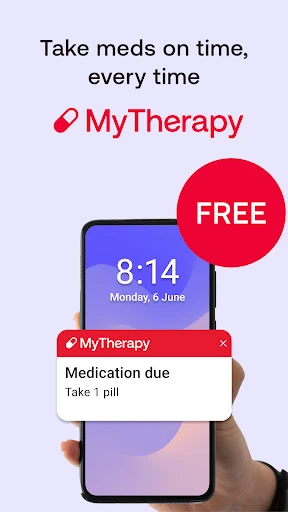
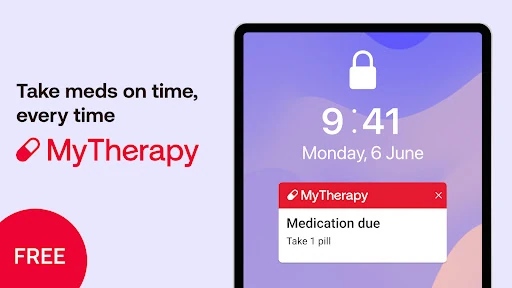
Picture a weekday when breakfast runs late and the rest of the day is already shifting. MyTherapy lets you set reminders around your medication plan, then confirm a dose with a tap. If the timing is inconvenient, you can snooze the alert and choose when it should return. That makes the app useful not only for remembering a dose, but also for keeping a daily record of what you have taken.
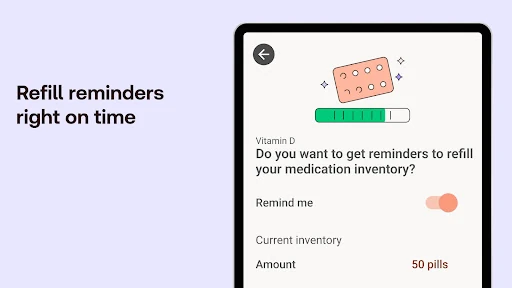
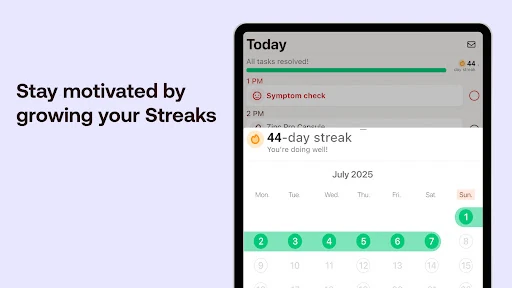
I can see the value most clearly when a routine has several moving parts. The medication plan and daily log give you a place to check what is coming up and look back at earlier entries. Calendar views help put past and upcoming tasks in context, while refill and prescription reminders add another kind of nudge. It is a practical way to bring recurring health tasks together rather than relying on memory alone.
More than an alarm, not a clinician
A basic phone alarm can remind you that it is time to take something, but it does not provide the same medication log, calendar, refill prompts or symptom diary. MyTherapy’s broader approach suits someone who wants reminders alongside a record of routines and measurements. It also offers family profiles for organizing more than one person’s care, which makes it relevant to people helping a parent, child or other loved one.
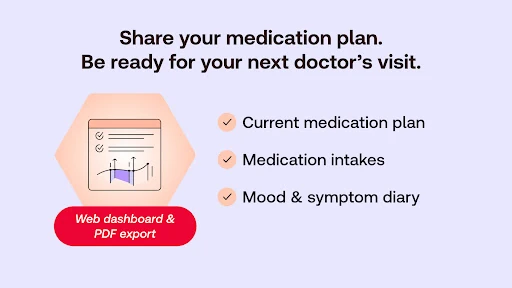
That breadth does not make it a replacement for medical care or professional advice. Its charts and reports can help you organize information for a conversation with a doctor, but the app is a tracker and reminder, not a diagnosis tool. If all you need is one occasional alarm, its extra tracking options may feel like more than you want. The best fit is someone who will use the added structure.
Small habits that help
The most useful habit is to keep the plan current. When a schedule changes, MyTherapy’s calendar lets you review upcoming tasks and reschedule items, while the daily log gives you a record to check. Refill and prescription reminders are more helpful when they reflect your actual routine, so I would treat setting those up as part of getting started rather than something to leave for later.
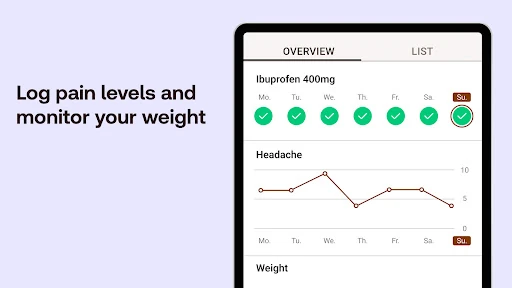
A second habit is to record only the information that matters to you. MyTherapy supports health measurements, symptoms, pain and custom tracking, with charts to follow entries over time. You do not need to turn every feature into a daily chore. For someone who measures weight or blood pressure, for example, a regular, manageable logging rhythm is more likely to be useful than a long list of fields that quickly gets ignored.
More From Our News Desk

Zoom Meetings, Google Meet, or Teams: Which Is Easiest to Join?

How I Build a Free Streaming Lineup With Tubi

Why Crunchyroll Is the Default Anime App for So Many Fans

YouTube TV: A Practical Guide to Cutting Cable

Rummikub and the Small Comfort of Phone Games
TeamViewer Remote Control or AnyDesk for Helping Family?
Who may find it useful
I would recommend MyTherapy to people managing recurring medications who want reminders and a straightforward history of completed doses in one place. It may also suit someone keeping an eye on measurements or symptoms, or a caregiver organizing routines through family profiles. The combination of reminders, charts and reports is aimed at people who want to notice patterns and have a more organized summary to bring to a health conversation.
It may be less appealing if you prefer the bare minimum and already find a single alarm sufficient. Tracking works best when you are willing to enter information and keep your medication plan up to date; the app cannot do that work for you. And while it can organize health information, it should not be treated as a source of medical decisions. People who want a focused tracker rather than a broad routine tool may not use its full feature set.
Pill Reminder MyTherapy is made by smartpatient GmbH and is available for iPhone on the Apple App Store. It requires iOS 17.0 or later. The App Store shows a 4.8 rating from around 8,600 ratings, and the app is rated 12+.
The app is free to download, with a listed price of $0.00. Its current version is 4.14.2. It was released on July 4, 2016, and the most recent update date provided is November 6, 2026.
A closer look at everyday tracking
Getting started with a plan
The first impression is of an app designed to cover more than one kind of health routine. Its central task is clear: set up medication reminders, then use the tracker to mark doses as taken. Around that are options for measurements, symptoms, family profiles and reports. I would start with the medication schedule I actually need, then add other tracking only if it serves a real purpose.
Personal touches can help a reminder feel more recognizable. The app lets you choose shapes and colors for medications and customize reminder sounds. Dark mode follows the device’s settings. Those options do not change the underlying routine, but they give you a little control over how the app presents its alerts and information.
The daily check-in
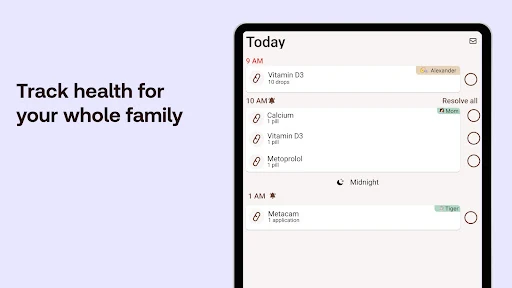
On an ordinary day, the flow is simple in principle: receive a reminder, confirm the dose, and consult the plan when you need to see what is next. Snooze choices are useful for moments when an alert arrives at an awkward time, while the daily log provides a record to check later. The calendar adds a wider view, including past entries and upcoming tasks.
That record can be especially helpful when several doses or treatments are part of a routine. Instead of depending on a vague recollection at the end of the day, you have entries to review. It still relies on you to respond accurately, of course, but the app gives the habit a visible structure rather than leaving it entirely to memory.
Tracking beyond medication
Measurements are a notable extension of the reminder side. MyTherapy can prompt users about more than 20 health measurements and lets them record results, with charts for following measurements and activities over time. Users can also add custom measurements and activities, so the tracking can reflect personal priorities instead of being limited to a fixed set of categories.
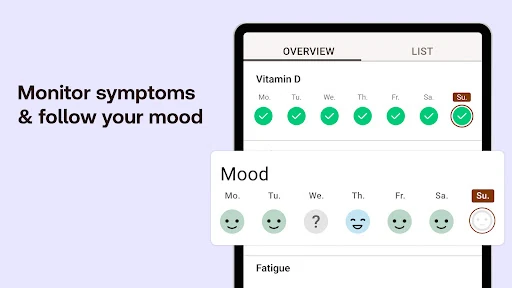
The symptom and pain diary adds another kind of context, with examples including fatigue, pain and skin changes. Injection site tracking is also included for documenting and rotating sites. These tools may help someone keep a more organized history of their routine, but they are still records entered by the user—not an assessment of what those entries mean.
A useful weekly review
One sensible routine is to use reminders during the week, then take a few minutes to review the calendar and logs. If you track weight, blood pressure or symptoms, the charts can show entries over time. Reports and the health overview can help gather information for a conversation with a doctor, so the app has a role beyond the moment an alert appears.
For a household supporting more than one person, family profiles offer a way to organize multiple care routines in one account. I would keep each profile’s information and reminders current, then use the relevant view when checking a loved one’s schedule. Apple Health integration can sync weight, steps, water intake and other health data, helping connect some information already being tracked on an Apple device.
Keeping expectations realistic
The app’s range is also its main trade-off. A person who only wants a reminder may not need charts, symptom notes, custom tracking or family profiles. Each added record can be useful, but it also asks for attention. I would avoid setting up every available feature at once; a focused medication plan is a better starting point than creating a tracking routine that feels like a second job.
Reminders can support consistency, but they depend on a well-maintained plan and on the user responding to them. Logs and charts are only as useful as the information entered. The app can help you organize and review that information, including through reports, but it does not replace a clinician or tell you how to change treatment. Keeping that boundary in mind makes its role clearer.
MyTherapy makes the most sense as a medication routine manager that also has room for measurements, symptoms and family care. I like the combination of dose confirmation, a calendar and longer-term tracking; it gives the app a practical purpose beyond sounding an alarm. The extra tools are optional in spirit, so users can focus on the parts that match their routine.
I would try it if medication reminders and a reliable personal log would make daily care easier, or if I were helping organize a loved one’s routine. If you want only a single alert with no data entry, a simpler option may suit you better. For people willing to maintain a plan, MyTherapy offers a thoughtful set of ways to keep health routines visible.
Pill Reminder MyTherapy Frequently Asked Questions
What is Pill Reminder MyTherapy used for?
Pill Reminder MyTherapy helps users set medication and treatment reminders, confirm doses and keep a medication log. It also supports tracking measurements, symptoms and pain, with charts and reports for reviewing information over time. Family profiles can help organize routines for loved ones. It is a tracking and reminder app, not a substitute for medical care.
Which devices can run Pill Reminder MyTherapy?
Pill Reminder MyTherapy is available for iPhone through the Apple App Store and requires iOS 17.0 or later. The app description also includes Apple Health integration. Store availability and compatibility details can vary, so check the App Store page for the requirements that apply to your device.
What iOS version does Pill Reminder MyTherapy need?
The stated minimum requirement is iOS 17.0. That means you should check your iPhone’s software version before installing. Requirements can change as an app is updated, so the App Store page is the best place to verify current compatibility for a particular device.
Is Pill Reminder MyTherapy free?
Pill Reminder MyTherapy is listed as free to download, with a price of $0.00. Details about any optional purchases or other store terms may vary, so check the App Store listing before downloading if those details matter to you.
Who is Pill Reminder MyTherapy best for?
It may suit people managing recurring medication who want reminders and a dose history, as well as people tracking measurements or symptoms. Family profiles may help those organizing a loved one’s routine. If you only need one simple alarm or do not want to maintain health logs, its wider set of tools may be unnecessary.
Pros
- Combines dose reminders with a daily log and calendar for reviewing medication routines.
- Supports measurement, symptom, pain and custom tracking with charts over time.
- Family profiles can help organize medication and health routines for loved ones.
- Apple Health integration can sync weight, steps, water intake and more.
Cons
- The breadth of tracking may feel excessive if you only need a basic dose alarm.
- Logs and charts depend on keeping the medication plan and entries up to date.
- Health tracking organizes information but does not replace professional medical care.
- Category
- Medical
- Version
- 4.14.2