 About 8 Ball Pool
8 Ball Pool: Plan Cleaner Shots and Protect Your Coins
Read the Table Before You Shoot
When I first started taking matches seriously, I focused too much on the ball I could pocket immediately. That can work, but a useful shot should also leave the cue ball somewhere that makes the next shot manageable. Before aiming, I take a moment to look across the table: which of my balls are open, which are blocked, and where might the cue ball finish after contact?
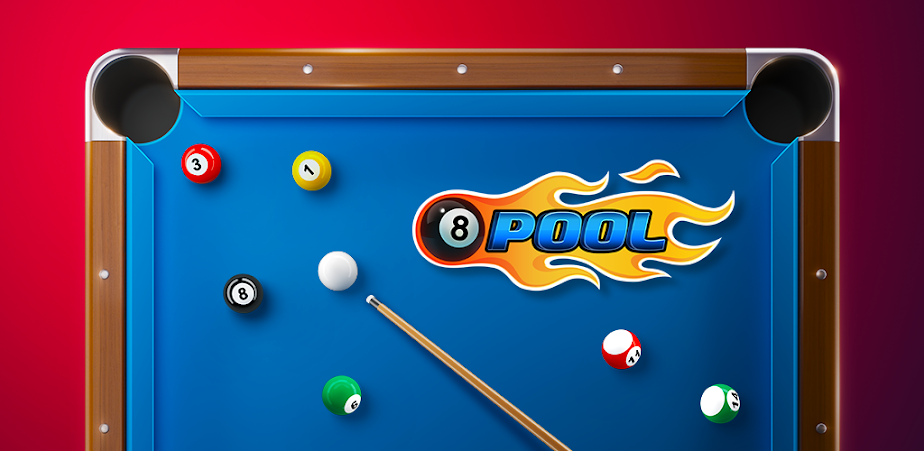
In 8 Ball Pool, you can choose different tables and compete in online PvP matches, so each rack is a chance to practice that quick scan. I try to identify a simple route through the balls rather than treating every shot as a separate puzzle. If one ball is tucked near a cushion or surrounded by opponents’ balls, I note it early instead of waiting until it becomes the only option.
A practical routine is to decide on the target ball, the pocket, and a sensible cue-ball finish before taking the shot. The finish does not need to be perfect; it just needs to keep a useful next option available. When I cannot see a comfortable follow-up, that is a cue to reconsider the shot or think about leaving the table less inviting for my opponent.
Pick a Simple Route
I usually start with the balls that have the clearest path to a pocket, then check whether those shots help open a route to the more awkward ones. This keeps me from spending an early turn on a difficult ball just because it looks satisfying. A route can change after every shot, of course, but having a rough order in mind makes my decisions calmer and helps me notice when the table has opened up.
Aim for the Next Position
Pocketing a ball is only part of a good turn. I also ask where the cue ball is likely to travel after it hits the target. A shot that drops one ball but strands the cue ball behind another may leave me with no comfortable follow-up. When I have a choice, I prefer the pocket that gives me a clearer next angle, even if it is not the nearest one.
I find it helpful to think in two steps: first, can I make this shot; second, what shot might it set up? That small pause is especially useful when several balls are close together. Aiming at the easiest ball without considering the cue ball can make the next turn much harder. A little planning often matters more than trying to force a complicated sequence.
When the position is uncertain, I avoid assuming the cue ball will stop exactly where I want it. Instead, I look for a forgiving outcome: a pocket with a clear path, a nearby next ball, or a finish that does not leave the opponent an obvious shot. This is a practical way to reduce avoidable mistakes without needing every shot to be precise.
Use a Quick Shot Check
Before I shoot, I run through three questions: Is the target path clear? Does the pocket suit the angle? Where will the cue ball probably finish? If one answer gives me pause, I take another look rather than rushing. This check is short enough to use during an ordinary match, and it helps me distinguish a genuinely straightforward shot from one that only looks easy at first glance.
Choose Safety Over a Low-Percentage Shot
There are turns when I cannot see a reliable pocket. In those moments, trying a difficult shot just to keep attacking can hand the other player a clean chance. Playing safe means looking for a less risky outcome: avoid opening an easy path for the opponent, and make the next shot harder where the table position allows. It is a choice about the quality of the next turn, not a trick or a special game mode.
I look for balls that can interfere with a clear line or make the opponent’s likely target awkward. The exact option depends on how the balls are arranged, so I avoid forcing the same safety idea every time. If there is no sensible defensive shot, I choose the least troublesome attempt I can see rather than turning one uncertain position into a careless miss.
Safety is most useful when the potential reward of a difficult pocket is small and the consequence of missing is large. I think about what the opponent could do if I fail, not just what I hope to do if I succeed. That change in perspective has helped me make fewer impulsive shots and stay patient when a rack does not offer an obvious route.
Spot the Risky Attempt
A shot deserves extra caution when the target is crowded, the path to the pocket is narrow, or the cue ball has nowhere comfortable to go afterward. I pause on those positions and compare the possible outcomes. If the best case is modest but a miss leaves the opponent an easy opening, a defensive choice may be more sensible. That judgment gets easier with practice because I start noticing the warning signs sooner.
Keep Coin Stakes Within Reach
Coins are at stake in competitive PvP matches: win and the coins are yours. That makes table choice part of the strategy, not just a way to find a different opponent. I try to choose a match level that feels reasonable for my current balance instead of treating every higher-stakes option as the next necessary step. One bad run can make later choices feel more pressured.
Before entering a match, I consider whether losing its stake would affect how comfortably I can keep playing. If the answer is yes, I choose a lower-pressure option where available or take a break rather than chasing a quick recovery. This is a simple personal limit, not a promise that any particular match will go my way. The point is to keep the coin balance from dictating every decision.
The game has different match locations and a level system that gives access to more locations as you progress. I treat that progression as a reason to reassess, not an instruction to move up at every opportunity. A table that is available may still be a poor fit for the session I want. Keeping stakes manageable leaves more room to focus on shot choices instead of worrying about one result.
Set a Session Limit
I find it useful to decide in advance what coin amount I am comfortable putting at risk during a session. Once I reach that limit, I stop entering matches for the moment instead of increasing the stakes to win back a loss. Optional in-game purchases are available, but they are not a substitute for setting a sensible personal boundary. Checking the match stake before committing helps keep the decision deliberate.
Use Match Results as Practice
After a close match, I try to remember the decision that shaped it rather than labeling the whole game a win or loss. Did I overlook a blocked ball? Did I choose a difficult pocket when a safer position was available? That kind of review turns an ordinary PvP match into useful practice. I keep the lesson specific, because a vague resolution to play better is hard to apply on the next turn.
The game lets you challenge friends through Miniclip or Facebook sign-in, as well as play against other players. A familiar opponent can make it easier to notice repeated habits, such as rushing the first open shot or choosing a risky line under pressure. I use those matches to practice sticking with my table scan and making a plan before I aim.
Customized cues and tables are part of the game, and the Pool Shop offers items to buy. I treat those options as personalization rather than a shortcut to better decisions. My most useful improvement still comes from paying attention to the layout and choosing shots with a clear purpose. A new cue may change the look of a match, but planning is the habit I can bring to every table.
Review One Decision
I do not need to analyze every turn after a match. I pick one moment where the outcome could have been different and ask what I noticed—or missed—before shooting. Perhaps a safe option was available, or perhaps I failed to think about the cue ball’s next position. Focusing on one decision keeps practice manageable and gives me something concrete to try in the next game.
Build a Repeatable Pre-Shot Routine
A routine keeps me from changing my approach just because a match feels tense. I scan the balls, select a target, check the pocket path, and consider where the cue ball might finish. Then I decide whether I am attacking or trying to leave a less comfortable position for the opponent. The sequence takes only a moment, but it reduces the number of shots I take without a reason.
I also try to separate a bad result from a bad decision. A sensible shot can still fail, while a careless shot can sometimes work out. If I judge every choice only by what happened afterward, it is easy to repeat risky habits whenever they succeed once. Instead, I ask whether the plan made sense with the information I had before shooting.
8 Ball Pool is free to play on Google Play, where it has a 4.8 rating from around 32 million ratings and over a billion installs. It contains ads and offers optional in-app purchases, with listed item prices ranging from $0.10 to $299.99. I keep those details in mind while treating coin matches as entertainment, not a reason to spend more than I intended.
Keep the Routine Flexible
A routine should guide a shot, not force the same answer every time. Some layouts offer a clear attacking route; others call for patience and a defensive choice. I use the same questions in both situations, then let the table decide what makes sense. That flexibility helps me avoid turning a helpful checklist into autopilot, especially when the next ball is awkward or the stakes feel more noticeable.
To improve at 8 Ball Pool, look beyond the ball you can pocket now. Check the route through the table, consider the cue ball’s next position, and choose a safer option when a difficult attempt could leave your opponent in control. A brief pre-shot routine makes those choices easier to repeat.
Keep coin stakes comfortable, review one decision after a match, and treat progression as a choice rather than a race. The game offers online PvP, friend challenges, different match locations, and customization, but steady planning is what I rely on most when a rack gets awkward.