Perpay - Shop and Build Credit
- 16.41K
- 4.9
- Installs
- 1.00M
- Price
- Free

Screenshots





Analysis by Reviewed APKs
Perpay - Shop and Build Credit is a finance app centered on shopping through its marketplace and paying for purchases from your paycheck. It may suit people who want to spread out the cost of eligible purchases and have payment history reported to credit bureaus. My overall take is that it has a focused idea, but it calls for careful attention to the payment and credit terms before you shop.
Shopping Around Payday
When I imagine using Perpay in a real routine, it is less a place to browse casually and more a way to plan a specific purchase around incoming pay. I might look for a home item or electronics in the marketplace, check what is available to me, and consider whether the payments would fit my paycheck schedule. The central appeal is getting an item now while paying over time through automatic paycheck payments.
That arrangement makes the timing worth thinking through before placing an order. I would check the amount I expect to repay and how each payment fits alongside rent, groceries, and other regular expenses. Perpay describes marketplace payments as having no interest or fees, but the app is still a way to commit future income to a purchase. It makes most sense when the item is useful and the payment plan feels manageable.
A Marketplace, Not a Bank Hub
Perpay is distinct from a general budgeting or bill-paying app. Its main path is shopping in its own marketplace, then making payments tied to a paycheck; the description also offers an option to have marketplace payment history reported to all three credit bureaus. That is a narrower job than organizing every bill or account in one dashboard, so I would compare it with shopping and credit-building options rather than expect a full personal-finance toolkit.
It is also not simply a standard credit card checkout. The marketplace purchase and Perpay+ credit-reporting option are described separately from applying for the Perpay Credit Card, which has its own credit line and terms. I would keep those choices distinct and read the relevant agreement before applying or buying. People looking mainly for budgeting tools, bill reminders, or money transfers should not assume those are the app’s focus.
Make the Paycheck Plan Concrete
A useful habit is to decide what you need before opening the marketplace. That keeps a shopping session tied to an actual purchase instead of turning available spending into a reason to buy something. I would compare the total cost and the paycheck-based payment commitment with what I can comfortably spare, then pause if the schedule feels tight. The app’s core idea works best when the purchase is deliberate rather than impulsive.
I would also make a point of understanding the credit-reporting choice and the payment arrangement before confirming anything. Perpay says users can choose to have marketplace payment history reported to all three credit bureaus, so that option deserves attention if credit building is part of the reason for using the service. For the separate card, I would read its fee and rewards terms rather than assume they match the marketplace.
More From Our News Desk

Zoom Meetings, Google Meet, or Teams: Which Is Easiest to Join?

How I Build a Free Streaming Lineup With Tubi

Why Crunchyroll Is the Default Anime App for So Many Fans

YouTube TV: A Practical Guide to Cutting Cable

Rummikub and the Small Comfort of Phone Games

TeamViewer Remote Control or AnyDesk for Helping Family?
Who May Find It Useful
I would recommend taking a closer look at Perpay if you have a specific marketplace purchase in mind, receive paychecks on a predictable schedule, and want to explore a purchase plan linked to those paychecks. The credit-reporting option may also interest someone who wants marketplace payment history reported to the three bureaus. In either case, the right fit depends on whether the purchase and repayment commitment make sense for your own budget.
It may be a poor fit if you want a broad money-management app, prefer to avoid payment plans, or do not want future paychecks committed to purchases. People considering the Perpay Credit Card should assess it as a separate product, including its monthly servicing fee and cardholder terms. I would not treat a credit-building feature as a promise of a particular score outcome; it is one factor to weigh alongside the full terms.
Perpay - Shop and Build Credit is a finance app from Perpay Inc. On Google Play it has over one million installs, a 4.9-star rating from around 16,400 ratings, and an Everyone content rating. The app is free to download, with no in-app purchases or ads reported in the supplied app facts. Those figures describe the app listing, not an approval decision or a result from using a financial product.
The supplied app facts give version 4.4.1, an original release date of October 19, 2018, and a last update date of October 30, 2026. No minimum Android version is provided in those facts, so check Google Play for device compatibility. The marketplace is described as offering purchases paid over time without interest or fees; the separate Perpay Credit Card has a monthly servicing fee of $9 and no annual fee, according to its description.
A Closer Look at Paycheck Shopping
A Focused First Impression
When I first opened the idea behind Perpay, what stood out was how specific it is: shop through the marketplace and repay through paycheck-linked payments. That is a more concrete proposition than a general promise to improve your finances. The app description also presents a separate route to apply for a Perpay Credit Card, so I would start by identifying which product I am considering rather than treating them as one combined offer.
I would approach setup with the purchase and payment terms in mind. The app describes access to up to $1,000 for marketplace shopping and an option to report marketplace payment history through Perpay+. Those are stated limits and features, not a reason to assume every user will receive the same access. I would read the in-app information carefully and make sure the payment commitment suits my circumstances before moving ahead.
The Day-to-Day Tradeoff
In everyday use, the practical question is whether a marketplace purchase is worth tying to future paychecks. That can make a planned item feel more accessible, but it also means the money is spoken for later. I would treat the payment schedule as a real household expense and consider it alongside other obligations, rather than focusing only on receiving the item sooner.
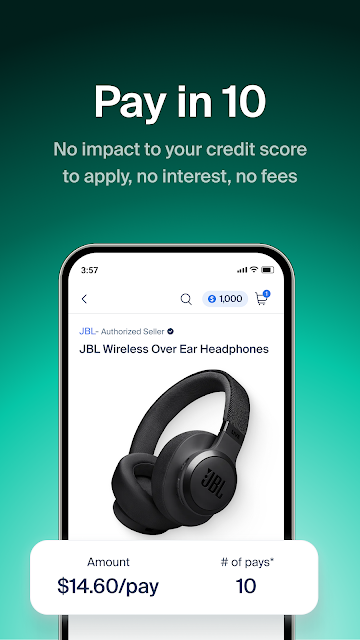
Perpay describes marketplace payments as automatic each time you get paid and says they carry no interest or fees. That structure is the heart of the experience, not a minor convenience feature. Before relying on it, I would make sure I understand how the arrangement applies to my account and purchase. A simple plan is helpful only when the amount and timing are comfortable.
Three Distinct Offers
The marketplace is the app’s shopping component, with categories that include electronics, home goods, and apparel. Perpay says users can shop there and pay over time without interest or fees. The catalog gives the service a practical retail purpose, while the paycheck-linked repayment makes it different from browsing a regular store and paying in full at checkout.
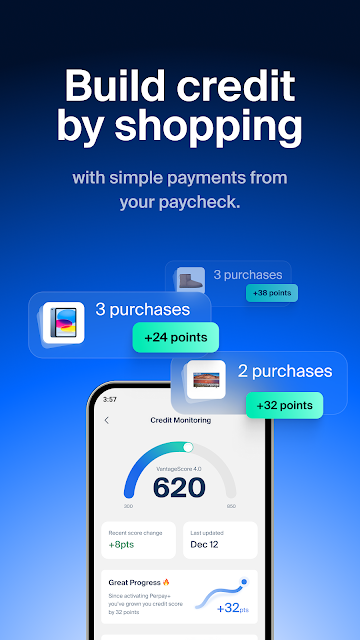
Perpay+ is presented as an option to have marketplace payment history reported to all three credit bureaus. I like that the description makes this a specific choice rather than suggesting that shopping alone automatically builds credit in every case. Anyone interested in that feature should understand how it applies before buying and keep expectations measured: the app does not promise a particular credit score change.
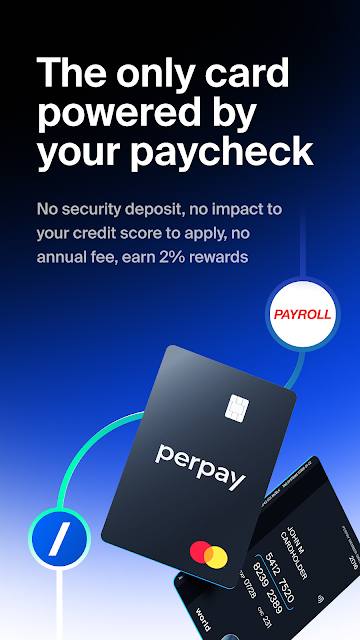
The Perpay Credit Card is another separate feature: the description says users can apply for a credit line of up to $1,000, with 2% rewards, no security deposit, and no annual fee. It also states that applying has no impact on FICO or Vantage scores, while noting that information may be obtained from Clarity and could affect a profile there. The card’s monthly servicing fee is $9.
A Deliberate Shopping Routine
For a practical routine, I would open Perpay with one purchase in mind, browse the relevant marketplace categories, and assess the payment commitment before deciding. That small boundary helps keep the service focused on a need instead of turning the available marketplace into an open-ended shopping session. I would also compare the purchase with other ways to buy it, including waiting until I can pay upfront.
If credit reporting is part of my reason for using Perpay, I would look specifically for the Perpay+ terms and confirm how the option relates to the marketplace purchase. If I am considering the card instead, I would review the cardholder agreement and rewards agreement, including the monthly servicing fee. Separating those decisions makes it easier to understand what I am signing up for and why.
Terms Deserve Attention
The biggest limitation is that the service revolves around spending through its marketplace and repaying from paychecks. It will not suit everyone, particularly someone who wants a broad view of spending, bill management, or a general-purpose payment app. The supplied description focuses on shopping, repayment, optional credit reporting, and a card application rather than those wider finance tools.
The credit card also has terms that should not be glossed over. Although the description says there is no annual fee, it specifies a $9 monthly card servicing fee and points users to the cardholder agreement for the APR. The marketplace and card are not identical products, so I would avoid assuming that their fees, payment arrangements, or credit features are interchangeable.
Finally, credit reporting is not the same as a promised credit result. Perpay says marketplace payment history can be reported to all three bureaus through Perpay+, but users should review the applicable terms and consider their own financial situation. The best experience here is likely for someone who understands the commitment and sees a useful purchase, not someone chasing a quick score boost.
Perpay has a clear, fairly focused proposition: shop in its marketplace, pay through paycheck-linked payments, and optionally explore credit reporting or a separate credit card. I appreciate that the core use is easy to explain, but the financial commitment deserves more thought than an ordinary shopping app. The most important step is understanding which product and terms apply before placing an order.
I would recommend it to people with a specific purchase in mind who are comfortable weighing a repayment plan against their regular expenses. I would be more cautious if you want broad budgeting features or prefer not to commit future paychecks. For the card, read the fee and agreement details closely; for marketplace shopping, make sure the payment schedule genuinely fits.
Perpay Frequently Asked Questions
What is Perpay - Shop and Build Credit used for?
Perpay is used to shop in its marketplace and pay for purchases over time through paycheck-linked payments. Its description also says users can choose to have marketplace payment history reported to all three credit bureaus through Perpay+. A separate feature lets users apply for the Perpay Credit Card, so it helps to distinguish the marketplace from the card.
Which devices can run Perpay - Shop and Build Credit?
Perpay - Shop and Build Credit is an Android app available through Google Play. The supplied details do not give a minimum Android version, and device compatibility can depend on the current app release. Check the Google Play store page on your device for the requirements that apply before installing.
Does Perpay - Shop and Build Credit cost money?
The app is free to download, and the supplied app facts report no in-app purchases or ads. Perpay describes marketplace purchases as having no interest or fees, subject to the applicable terms. The separate Perpay Credit Card has a $9 monthly servicing fee, though the description says it has no annual fee. Review the relevant product terms before applying or shopping.
What Android version does Perpay require?
The minimum Android version is not included in the supplied app details. Requirements can change as an app is updated and may differ by device, so check the current Google Play store page for Perpay - Shop and Build Credit. The listed app version is 4.4.1, but that alone does not establish compatibility with every Android phone.
Who is Perpay - Shop and Build Credit best suited for?
It may suit someone with a planned marketplace purchase who is comfortable paying through paycheck-linked payments and wants to consider the optional credit-reporting feature. It may be less suitable for someone seeking general budgeting or bill management tools, or someone who does not want to commit future paychecks. Credit card applicants should also review the card’s fee and agreement terms.
Pros
- Marketplace payments are described as paycheck-linked, with no interest or fees.
- Perpay+ offers an option to report marketplace payment history to three credit bureaus.
- The app brings marketplace shopping and a separate card application into one experience.
Cons
- The service centers on marketplace purchases rather than broad budgeting or bill management.
- Paycheck-linked payments require careful consideration of future expenses.
- The separate credit card has a $9 monthly servicing fee.
- Category
- Finance
- Version
- 4.4.1