Spark Driver
- 134.36K
- 3.9
- Installs
- 1.00M
- Price
- Free

Screenshots

Analysis by Reviewed APKs
Spark Driver is Walmart’s app for people who want to shop for or deliver orders from Walmart and other businesses as independent contractors. It suits drivers looking for flexible work they can fit around other commitments, provided they have a car, smartphone, and insurance. My overall take is that it focuses on the practical steps of completing a trip, rather than trying to be an all-purpose business management tool.
A Shift Built Around Trips
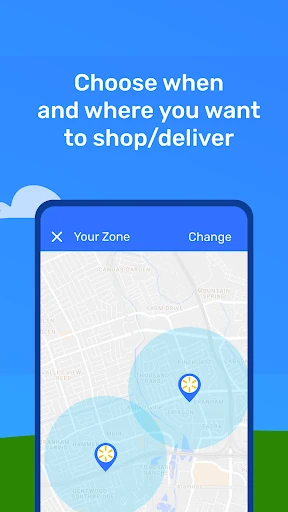
When I picture using Spark Driver, it’s a free afternoon with a few hours available and a car already on the road. After enrollment, including a background check, drivers are notified when their local zone has availability. Once a trip is accepted, the app guides the process from reaching the store through shopping, if needed, and delivering to the customer. That gives the work a clear sequence rather than leaving each step to memory.
The two kinds of work described are shopping and delivery, or delivery without shopping. That distinction matters on a busy day: someone with a short window may prefer to consider the delivery-only option, while a driver prepared to pick out items can take on shopping trips too. The app is designed around completing orders, so the basic routine is easy to understand even before you decide how often you want to work.
Work App, Not a Budget Tool
Compared with arranging errands through a personal calendar or handling deliveries for a single store, Spark Driver brings the trip workflow together: it provides directions to the store, helps locate items on shopping orders, and leads through delivery. It is aimed at independent contractors working with Walmart and other businesses, not shoppers placing their own grocery orders. Its appeal is the connection between available work and the steps needed to finish it.
I would not treat it as a complete small-business suite. The supplied description centers on accepting and completing shopping or delivery orders, not expense records, tax preparation, or broad business analytics. Nor is it simply a navigation app; the directions are part of a larger order flow. If what you want is a fixed schedule or a tool unrelated to delivery work, this is probably not the right fit.
Make the Workflow Smoother
A useful habit is to decide in advance how much time you actually have, then choose work that fits that window. Spark Driver describes the schedule as flexible, with the option to shop and deliver or deliver only, as little or as often as desired. I’d also keep the practical basics ready—a charged smartphone, a car, and insurance—so an available opportunity does not turn into a scramble to prepare.
For shopping trips, I’d take the app’s item-finding guidance one step at a time instead of trying to remember a whole list while moving around the store. For delivery, I’d follow the trip flow from the store to the customer’s location. These are simple habits, but they match the app’s strengths: it is meant to help drivers move through an order, not replace attention to the task.
More From Our News Desk

Zoom Meetings, Google Meet, or Teams: Which Is Easiest to Join?

How I Build a Free Streaming Lineup With Tubi

Why Crunchyroll Is the Default Anime App for So Many Fans
YouTube TV: A Practical Guide to Cutting Cable
Rummikub and the Small Comfort of Phone Games
TeamViewer Remote Control or AnyDesk for Helping Family?
Who May Find It Useful
I’d recommend Spark Driver to someone who already has access to a car and wants the option to take on shopping or delivery work around other parts of life. The app’s clearest advantage is that it guides the job from store arrival to customer delivery, while letting drivers choose how often they work. It may suit people who like practical, task-by-task work better than a fixed shift.
It may be less appealing if you need predictable hours, do not have the required vehicle or insurance, or want an app mainly for tracking expenses and running a broader business. Enrollment includes a background check, and local availability affects when drivers are notified about joining a zone. I’d think of Spark Driver as a route into order-based work, not as a promise of steady opportunities or a particular income.
Spark Driver is developed by Walmart and is listed on Google Play in the Business category. The app has more than 1 million installs and a 3.9-star rating from about 134,000 ratings. It is free to download, with no in-app purchases or ads reported in the supplied store facts. Its content rating is Everyone.
The supplied Android requirements specify Android 10 or later. The current version in the provided facts is 4.35.1. Spark Driver was released on December 16, 2019, and was last updated on February 4, 2026. The latest update note says it includes bug fixes and app stabilization.
How Spark Driver Fits a Real Shift
Starting With the Basics
When I first opened the idea of Spark Driver, the setup sounded refreshingly concrete: a car, a smartphone, and insurance are the stated basics. But getting started also involves enrollment and a background check, so this is not an instant switch from download to delivery. The app says drivers are notified when their local zone has availability, which makes location and timing part of the process.
That distinction sets sensible expectations. I’d treat enrollment as the first step, then wait for the zone notice rather than planning a work session before access is available. The app is built for people taking orders as independent contractors, so the commitment is different from using a regular shopping app. Its initial appeal is the possibility of fitting work around a schedule you control.
The Everyday Trip Flow
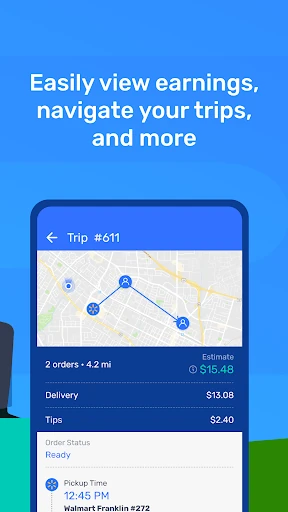
The central experience is organized around a trip. After accepting one, the app helps with getting to the store, finding items if it is a shopping order, and reaching the customer’s location for delivery. I like that this is a practical chain of steps: the driver can focus on the current part of the task instead of treating the whole order as one vague assignment.
On a normal run, that could mean checking the trip details, driving to the store, working through the shopping portion when included, then heading to the delivery location. Spark Driver’s described role is to guide that process. It does not remove the need to pay attention or handle the real-world work, but it gives the trip a consistent structure from pickup point to drop-off.
Shopping or Delivery
The choice between shopping and delivery-only work is one of the more useful parts of the app’s stated setup. Some orders involve finding items in a store as well as delivering them; others can be delivery-only. That gives the work more than one shape, which is helpful for drivers considering how an order might fit into the time and effort they have available.
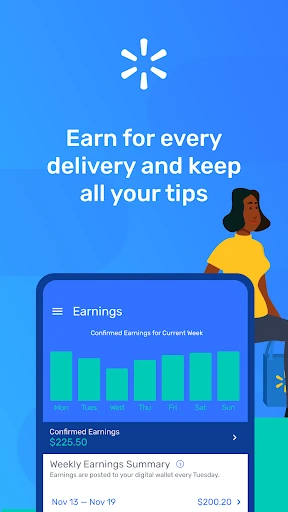
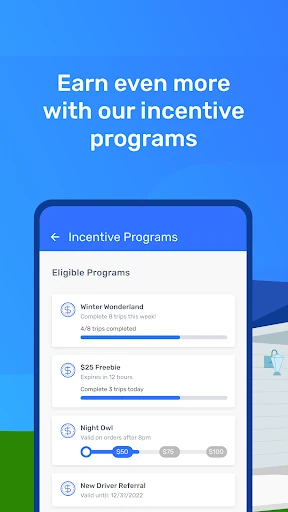
The description also says drivers keep 100% of confirmed customer tips and may have access to incentive programs and referral offers. Those are earning-related details, not a reliable way to predict what any particular shift will bring. I’d keep the distinction clear: the app describes ways earnings may be affected, but a driver’s actual opportunities depend on orders and circumstances.
A Practical Work Routine
A routine I’d use is to decide first whether I have enough time for a full shopping-and-delivery trip or would rather focus on delivery-only orders. Once a trip is accepted, I’d let the app’s guidance handle the order sequence: store, item-finding where relevant, then customer location. That keeps the mental checklist short and makes it easier to concentrate on the task underway.
I’d also set expectations before heading out. Spark Driver allows drivers to work as little or as often as they choose, but local zone availability and enrollment status shape when work can begin. For me, that makes it better suited to flexible blocks of time than to a plan that depends on a fixed daily schedule. The app can organize a trip; it cannot make every day equally busy.
Limits to Keep in Mind
The biggest practical limit is that this is work tied to having a car, smartphone, and insurance, followed by an enrollment process that includes a background check. Drivers also need to be in a local zone with availability. Those requirements make Spark Driver a poor match for someone who wants a casual app experience without preparation or who cannot meet the stated basics.
The available description is focused on order completion, so I would not choose it expecting a full set of business-management features. The work is also independent-contractor work, and the flexibility described does not mean that orders or earnings will be consistent. It makes sense to view the app as a tool for shopping and delivery trips, with the actual fit depending on your area and working preferences.
Spark Driver has a straightforward purpose: connect eligible drivers with shopping and delivery work, then guide them through each accepted trip. I like its clear distinction between shopping and delivery-only orders, and the way it lays out the route from store to customer. The main trade-off is that getting started and finding local availability are part of the equation.
I’d suggest trying Spark Driver if you have the required basics and want flexible, order-based work rather than a fixed schedule. It is less suited to anyone seeking dependable hours or a broad business toolkit. The app’s core workflow sounds practical, but the real-world fit will depend on enrollment and what is available in your zone.
Spark Driver Frequently Asked Questions
What is Spark Driver used for?
Spark Driver is used by independent contractors to shop for and deliver orders, or to deliver orders without shopping. After a trip is accepted, the app helps with reaching the store, finding items for shopping orders, and delivering to the customer’s location. Enrollment includes a background check, and drivers are notified when their local zone has availability.
Which phones and devices support Spark Driver?
Spark Driver is an Android app, and the supplied requirements say it needs Android 10 or later. It is intended for use with a smartphone as part of shopping and delivery work. If you are checking a specific device or a different platform, compatibility details may vary, so it is worth checking the Google Play store information.
What Android version does Spark Driver need?
The stated minimum requirement for Spark Driver is Android 10. If your phone is running an older Android version, it may not meet that requirement. Device compatibility can vary, so I’d check the app’s Google Play store information for your particular phone before relying on it for work.
Does Spark Driver cost money to download?
Spark Driver is free to download, and the supplied store facts report no in-app purchases or ads. The app is for independent-contractor shopping and delivery work, and enrollment includes a background check. Store details can change over time, so it is worth checking Google Play for the current information before installing.
Is Spark Driver suitable for flexible work?
It may suit drivers who want to choose how often they work and whether to shop and deliver or deliver only. You need a car, smartphone, and insurance, and enrollment includes a background check. Local zone availability matters, so it may not suit someone who needs fixed hours or predictable access to work.
Pros
- Combines shopping and delivery-only order options in one driver-focused workflow.
- Guides accepted trips from the store through shopping tasks to delivery.
- Describes flexible work frequency for independent contractors.
- Free to download, with no ads or in-app purchases reported.
Cons
- Enrollment includes a background check before drivers can get started.
- Local zone availability affects when drivers can begin receiving work.
- Requires a car, smartphone, and insurance, and does not promise steady hours.
- Category
- Business
- Version
- 4.35.1