RTD MyRide
- 1.31K
- 3.8
- Installs
- 500.00K
- Price
- Free
Screenshots
Analysis by Reviewed APKs
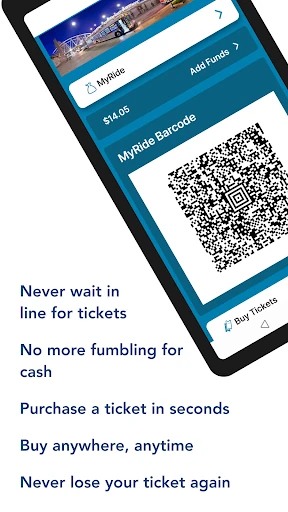
RTD MyRide is a mobile fare app for people who use Denver-area RTD buses and trains. It lets riders add money, keep tickets and passes on their phone, and scan a barcode when boarding. I like its practical focus: rather than trying to be an all-purpose transit guide, it concentrates on paying fares and managing an RTD account. It should suit regular riders and occasional passengers alike.
A smoother ride to work
Picture a weekday morning when I’m heading to a bus stop with coffee in one hand and my bag in the other. With RTD MyRide, I can keep funds or a ticket on my phone, then scan the mobile barcode at the validator to board. That is a useful bit of friction removed from a routine trip: no paper fare product to remember, and no separate stop to buy one before getting on.
The app’s value becomes clearer over a week of ordinary rides. I can use the account to manage funds and payment methods, check transaction history, and keep tickets or passes available for later. Fare capping is another practical detail: eligible 3-Hour passes automatically convert to Day and Monthly passes. I don’t have to work out every fare combination myself while I’m trying to get out the door.
A fare tool, not a navigator
Compared with carrying paper fares or relying on a MyRide smart card, the mobile app puts the fare product on my phone and offers account management in the same place. That is its lane. It is not presented as a complete trip-planning replacement, and I wouldn’t choose it expecting one screen to handle every part of a journey from route research to boarding.
The description points riders toward connected RTD tools such as Trip Planner and Next Ride, which helps set expectations. I’d use those tools when I need help with the trip itself, then turn to MyRide for funds, tickets, passes, and scanning. Keeping those jobs distinct is sensible, though it means riders may need more than one RTD tool depending on what they are trying to do.
Make fare management a habit
A small routine makes the app more useful: check the account before leaving, confirm that the fare I need is available, and keep the phone ready when I reach the validator. It’s not a complicated workflow, but doing it before I’m standing in a boarding line can prevent a last-second scramble. The transaction history also gives me a place to review activity after a run of rides.
I’d also make a habit of thinking about how other people in my group will ride. RTD describes an improved MyRide smart card that can let friends or family ride using an account, so it may be worth considering when I’m coordinating a trip. The app also provides online access to manage an account and tokens. These options are most helpful when I treat fare management as a quick check, not a task to figure out at the stop.
More From Our News Desk

Zoom Meetings, Google Meet, or Teams: Which Is Easiest to Join?

How I Build a Free Streaming Lineup With Tubi

Why Crunchyroll Is the Default Anime App for So Many Fans

YouTube TV: A Practical Guide to Cutting Cable

Rummikub and the Small Comfort of Phone Games
TeamViewer Remote Control or AnyDesk for Helping Family?
Who will find it useful
I’d recommend RTD MyRide to people who regularly ride RTD buses or trains and want a straightforward way to keep fare funds, tickets, or passes close at hand. It also makes sense for occasional riders who prefer to sort out a fare on their phone rather than carry a paper product. Fare capping may be especially appealing to anyone whose riding pattern shifts between shorter and fuller days.
It may be less useful to someone who rarely uses RTD or mainly needs help choosing routes and following a trip. MyRide’s main job is fare payment and account management, while the description directs riders to other RTD tools for trip planning and next-ride information. I’d also be cautious about relying on it if I don’t want to use a mobile barcode or manage fare details through an account.
RTD MyRide is developed by Regional Transportation District, Denver CO, and is listed in Google Play’s Travel & Local category. It has more than 500,000 installs and a 3.8-star rating from about 1,300 ratings. The app is free to download, with no in-app purchases or ads reported in the provided store facts.
The app has an Everyone content rating and requires Android 7.0 or later. The current listed version is 7.9.3. It was released on November 1, 2017, and its latest update was January 30, 2026. The recent update added a new Homescreen button.
A Closer Look at Paying on the Go
Opening and getting ready
My first impression is that MyRide is built around a clear, immediate task: get a fare ready, then scan to board. That focus is welcome in a transit app, where I don’t want to hunt through unrelated features when a bus is arriving. The description also makes account funds, payment methods, stored fares, and transaction history part of the experience, giving riders several practical reasons to return.
Getting value from it starts with having an account and fare options ready before the trip. I’d take a moment at home or before leaving to manage funds or choose the ticket or pass I expect to need. That small bit of preparation matters more than a flashy first-run experience. The recent addition of a Homescreen button is a modest sign that the app continues to receive changes.
The everyday boarding flow
The central routine is simple to describe: open the mobile fare app, bring up the MyRide barcode, and scan it at an RTD bus or train validator. For a rider who has already loaded funds or stored a ticket, that gives the phone a direct role in boarding rather than just planning the trip. The app’s practical success depends on making that fare access easy to work into a commute.
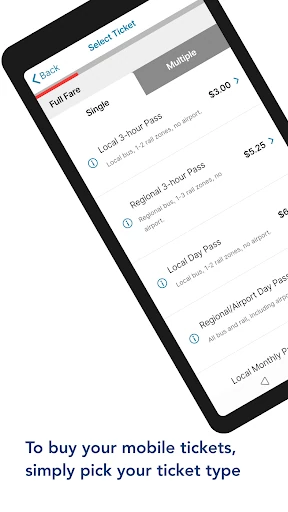
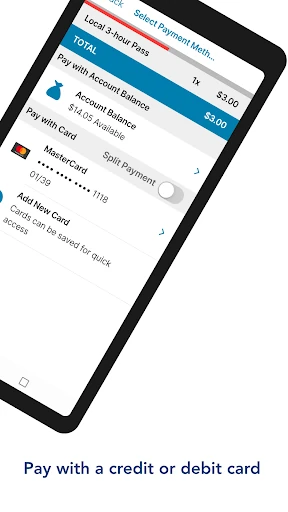
Away from the validator, the account tools cover the less visible parts of riding. I can manage funds and payment methods, buy and store tickets or passes, and look over transaction history. Those jobs may not be exciting, but they are the kind of housekeeping that makes recurring transit use easier to track. Online account and token management adds another way to look after the account beyond the immediate boarding moment.
Fare capping stands out
Fare capping is the feature I’d pay closest attention to if my riding varied from day to day. RTD says the app automatically converts 3-Hour passes to Day and Monthly passes, aiming to give riders the most value. I appreciate that the app takes on that conversion rather than asking me to constantly calculate whether a different pass would be a better fit.
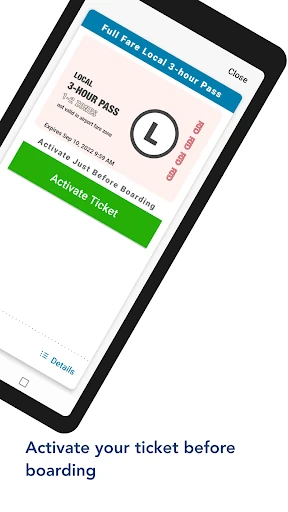
The other standout is the combination of mobile scanning and stored fare products. I can keep tickets and passes in the app, use a barcode at the validator, and avoid carrying paper fare products. For a group or family situation, the description also mentions an improved MyRide smart card for friends or family riding using an account. These are concrete fare-management conveniences, not a promise that the app handles every travel need.
A practical weekly routine
For a regular commute, I’d make one quick check before the week begins: review funds, confirm the ticket or pass I intend to use, and make sure I can reach the barcode when it’s time to board. After a ride or a busier day, I could glance at transaction history to review activity. It’s a low-effort pattern that keeps fare chores from becoming a stop-by-stop decision.
For a day with more than one ride, fare capping can help reduce the need to choose the perfect pass in advance, since the app handles the stated conversion from 3-Hour passes to Day and Monthly passes. If I’m traveling with someone else, I’d consider whether the smart-card option fits the situation. When I need route or next-ride help, I’d switch to the connected RTD tools rather than expecting MyRide to answer everything.
Limits to keep in mind
MyRide is most compelling when I already know I’m riding RTD and want to take care of the fare. The description does not make it an all-in-one journey companion; instead, it points to Trip Planner and Next Ride for related transit tools. That division can be perfectly workable, but it does mean I may need to move between apps for planning a journey and paying for it.
The phone-based barcode approach also won’t suit every rider’s preference. Someone who would rather carry a physical fare option may want to look into the MyRide smart card described by RTD. And even for mobile users, it’s wise to sort out account funds and stored fare products before arriving at the validator. The app is a focused convenience, not a reason to skip basic trip preparation.
RTD MyRide does its best work as a practical fare companion: funds, tickets, passes, account details, and a barcode for boarding are all part of its purpose. Fare capping is a thoughtful touch for riders whose travel varies, and the app avoids making paper products a requirement for mobile users.
I’d recommend it to RTD riders who want to manage fares on their phone, especially commuters and people who take several trips over time. If your main need is route planning or live trip guidance, pair it with the other RTD tools rather than expecting MyRide to cover that job.
RTD MyRide Frequently Asked Questions
What is RTD MyRide used for?
RTD MyRide is a mobile fare and account app for RTD buses and trains. Riders can add funds, manage payment methods, buy and store tickets or passes, and scan a mobile barcode at validators to board. It also includes transaction history and fare capping that converts 3-Hour passes to Day and Monthly passes.
Which phones and platforms support RTD MyRide?
RTD MyRide is an Android app available through Google Play. The listed minimum requirement is Android 7.0. The information provided does not describe a separate iOS version, so anyone using another platform should check the relevant store for current availability and device requirements.
How much does RTD MyRide cost?
The app is free to download, and the store facts report no in-app purchases or ads. That describes the app itself; it does not mean rides are free. For current fare details or any changes to the app’s store terms, check its Google Play page and RTD’s fare information.
Does RTD MyRide help plan a trip?
Its main purpose is fare management and boarding, rather than serving as a complete trip-planning guide. The app description says it can connect riders to other RTD tools, including Trip Planner and Next Ride. If you need route or next-ride information, those tools are the better place to look.
Who should use RTD MyRide?
It should suit people who ride RTD buses or trains and want fares, tickets, or passes on their phone. Fare capping may also help riders whose travel varies. It may be less useful if you rarely ride RTD, prefer not to use a mobile barcode, or mainly want trip-planning features.
Pros
- Mobile barcode makes boarding with a stored fare straightforward.
- Funds, payment methods, tickets, and passes are managed in one app.
- Fare capping converts 3-Hour passes to Day and Monthly passes.
- Transaction history and online account management support fare housekeeping.
Cons
- The app focuses on fares, so trip planning may require another RTD tool.
- Riders need to prepare account funds or fare products before boarding.
- A mobile barcode may not suit people who prefer paper fare products.
- Category
- Travel & Local
- Version
- 7.9.3