PicSearch
- —
- —
- Installs
- 1.00K
- Price
- Free

Screenshots
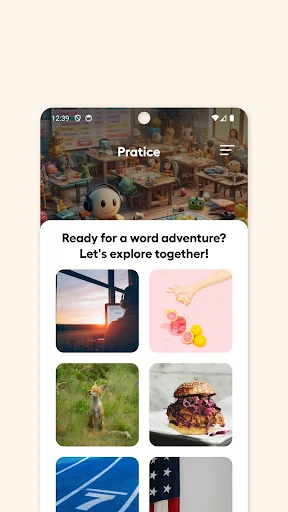
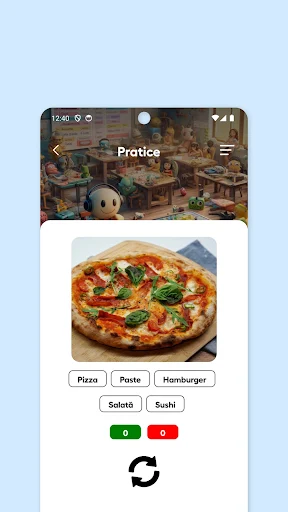
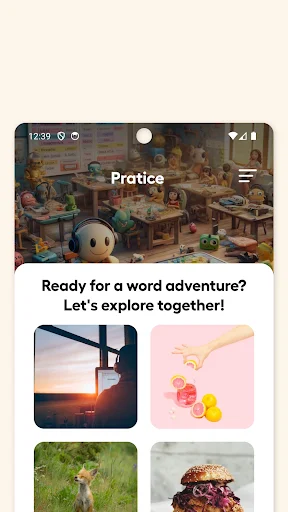
Analysis by Reviewed APKs
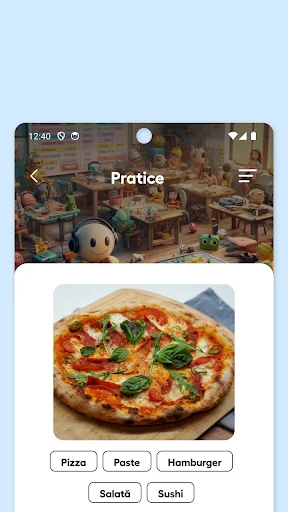
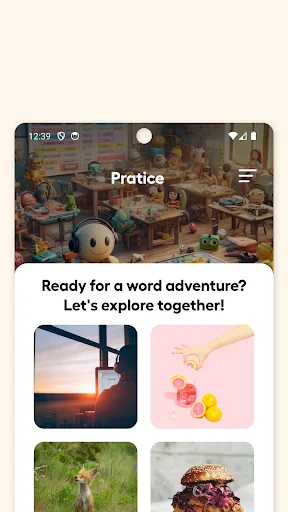
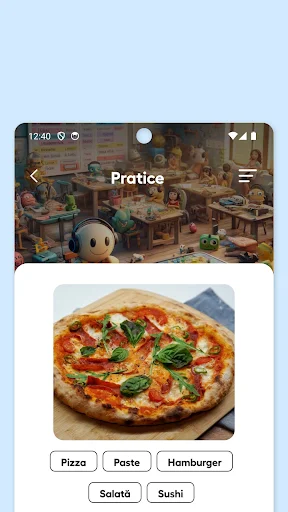
PicSearch is a simple language-learning app built around matching pictures with words, presented as a way to practice Romani. I can see it suiting someone who wants a light, visual activity rather than a deep course or a long grammar lesson. Its idea is easy to understand, and that focus is appealing, though the available description gives only a glimpse of how much practice it offers.
A quick picture-word session
When I first considered PicSearch, I pictured the sort of short language practice that could fit into a quiet moment: look at a picture, connect it with a word, and use the match as a prompt to remember what it means. That picture-based approach is the app’s central idea. It gives a beginner a concrete starting point instead of asking them to begin with abstract grammar or a page of vocabulary.
The appeal is in the simplicity. A few picture-and-word matches can feel less intimidating than opening a textbook after a busy day, and the visual cue gives the exercise a clear purpose. I would treat PicSearch as a small practice activity, not a complete lesson plan. Its basic premise is easy to grasp, but the description does not establish how broad the vocabulary or practice options are.
A supplement, not a course
Compared with a book or a more comprehensive language course, PicSearch has a narrower job: it offers picture-based word matching for practicing Romani. That focus could be useful when I want a visual reminder or a low-effort way to revisit words. It is not something I would rely on for a structured path through grammar, pronunciation, conversation, or other areas that are not described as part of the app.
That distinction matters when choosing a learning tool. Someone looking for a single, straightforward activity may appreciate the limited scope; someone expecting a full curriculum could find the concept too narrow. I would pair it with other learning materials if my goal were broad language study. PicSearch makes most sense as an accessible practice companion, rather than as a replacement for every other way of learning.
Make matching a small habit
A sensible way to use PicSearch is to make it a small, repeatable part of the day instead of expecting one long session to do all the work. I might bring it out during a spare moment and focus on the picture-to-word connection in front of me. That keeps the task manageable and gives the visual association a chance to stick through repeated attention.
I would also treat each match as a cue to pause and recall the word, rather than rushing through the activity just to finish it. The app’s described format supports that kind of deliberate practice, but it does not establish features such as progress tracking or reminders, so I would not build a routine around those. A simple personal habit is enough to make a focused exercise more useful.
More From Our News Desk

Zoom Meetings, Google Meet, or Teams: Which Is Easiest to Join?

How I Build a Free Streaming Lineup With Tubi

Why Crunchyroll Is the Default Anime App for So Many Fans

YouTube TV: A Practical Guide to Cutting Cable
Rummikub and the Small Comfort of Phone Games
TeamViewer Remote Control or AnyDesk for Helping Family?
Who might enjoy PicSearch
I would recommend PicSearch to curious beginners who like learning through visual prompts and want a small, approachable way to practice Romani words. Its picture-matching premise is straightforward, which makes it easy to understand what the activity is about before committing to a broader study routine. It may also suit someone who wants a little language practice during an otherwise idle moment.
It may not suit learners who need a detailed course, extensive explanations, or a clearly described range of lessons. The available description focuses on matching pictures with words, so I would not choose it as my only resource for a larger language-learning goal. If you prefer structured instruction or want to practice skills beyond word matching, PicSearch is better viewed as a possible supplement than a complete solution.
PicSearch is a Lifestyle app from Harem. It is free to download on Google Play, has over 1,000 installs, and is rated for Everyone. The available store figures do not include a rating or rating count, so there is no score to compare with other apps. Its version is listed as varying with device.
The app is free and does not contain ads or offer in-app purchases, according to the provided app facts. PicSearch was released on May 19, 2024. No minimum Android version or last-update date is provided in the available facts, so it is worth checking the Google Play entry for device compatibility and current details.
A closer look at picture-based practice
A simple first impression
The first thing that stands out about PicSearch is how clearly its main idea can be summed up: practice by matching pictures with words. I do not need to imagine a complicated learning system to understand the basic activity. That directness is useful for a casual learner who wants to know what kind of practice an app offers before making room for it in a routine.
I would keep expectations measured, though. The description does not explain a setup process, lesson structure, or how many words are included, so I cannot treat those as established parts of the experience. What I can assess is the concept itself: visual matching is an approachable entry point, while the amount of depth behind that entry point remains a practical question for anyone seeking sustained study.
The day-to-day experience
In everyday use, the format suggests a small task rather than an involved study session. A picture provides a visual anchor, and the word gives the learner something to connect with it. I like that this kind of exercise can be approached in short bursts, without needing to set aside a long block of time simply to understand what the activity is asking me to do.
The simplicity also means the value depends on how the learner approaches it. I would slow down enough to think about each picture-word pairing instead of treating matching as a race. The app description supports that core interaction, but does not spell out features such as audio, quizzes, or saved progress. I would avoid expecting those extras and judge PicSearch on the matching practice it does describe.
Visual word matching
The standout feature is also the whole premise: pictures are matched with words as a way to practice Romani. That gives the exercise a visual component and makes it distinct from simply reading a list of terms. For a learner who remembers associations more readily than isolated words, pairing an image with vocabulary could make practice feel more concrete and less like rote review.
I appreciate that the concept stays focused. There is no need to dress up a basic learning activity as something more elaborate than it is. At the same time, picture matching is only one approach to language practice. It can help provide a starting point for vocabulary, but the description does not present it as a way to cover every part of learning a language.
A practical practice routine
One low-pressure routine would be to open PicSearch when I have a spare moment and give the picture-word activity my full attention for that brief window. I would look carefully at the image, consider the associated word, and try to recall the connection before moving on. Keeping the goal modest helps avoid turning a simple exercise into an unrealistic promise of rapid progress.
To make the practice more intentional, I would notice which picture-word connections feel easy and which ones take more thought. That reflection does not depend on a particular tracking feature; it is simply a way to stay engaged with the exercise. PicSearch’s described matching format lends itself to this personal routine, though the app facts do not specify tools for recording results or setting a schedule.
Keep its scope in mind
PicSearch’s main limitation is the narrow scope visible in its description. Picture-to-word matching can be a friendly way to approach vocabulary, but it does not tell me whether the app teaches grammar, pronunciation, or conversation. Learners who want a comprehensive route through Romani should make sure they have other resources to cover the areas this simple format may not address.
There is also little detail about the breadth of the material or how the activity is organized. That makes it harder to know whether the app will remain useful over a longer period. I would try it for the specific visual practice it offers, then decide whether that activity fits my learning style. The concept is clear; expectations about depth should stay modest.
PicSearch has an approachable premise: use pictures and word matching to practice Romani. I like its clear focus and the way the activity could fit into a short, casual study moment. The trade-off is that the available description points to a narrow practice format, not a full language course.
I would suggest giving PicSearch a try if you want a simple visual supplement and are comfortable keeping your expectations focused. If you need broad instruction or a detailed curriculum, look beyond it as well. Its basic idea is easy to understand, and whether it suits you will depend on how much you want from a matching exercise.
PicSearch Frequently Asked Questions
What is PicSearch used for?
PicSearch is presented as a way to practice Romani by matching pictures with words. That makes it a visual, vocabulary-oriented activity. The available description does not outline a broader course, so learners looking for other types of language instruction should check the Google Play entry and consider whether the described practice matches what they need.
Which devices can run PicSearch?
PicSearch is an Android app available through Google Play. The minimum Android version is not provided in the available app facts, and compatibility can vary by device. Check the Google Play entry from the device you plan to use for the current compatibility information.
Does PicSearch cost money?
PicSearch is listed as free, with no in-app purchases and no ads in the provided app facts. Store details can change over time, so it is worth checking Google Play for current information before installing or using the app.
What Android version does PicSearch require?
The minimum Android version is not included in the available facts. Requirements can vary with device and app updates, so check PicSearch’s Google Play entry to see whether your Android device is compatible.
Is PicSearch suitable for complete beginners?
Its picture-and-word matching idea may appeal to beginners who want a simple way to practice Romani vocabulary. The description does not establish a full curriculum or explain the range of learning material, so learners needing more structured instruction may want to use other resources alongside it.
Pros
- A clear picture-and-word matching concept makes the activity easy to understand.
- Visual practice may suit learners who prefer concrete prompts over word lists.
- Free to download, with no ads or in-app purchases in the provided facts.
- Its focused format could fit into short, casual study moments.
Cons
- The described activity is narrow compared with a full language course.
- The available description gives little detail about the breadth of vocabulary.
- No minimum Android version is provided in the available app facts.
- Category
- Lifestyle