Jumpspeak | Language Learning
- 16.57K
- 4.6
- Installs
- —
- Price
- Free
Screenshots
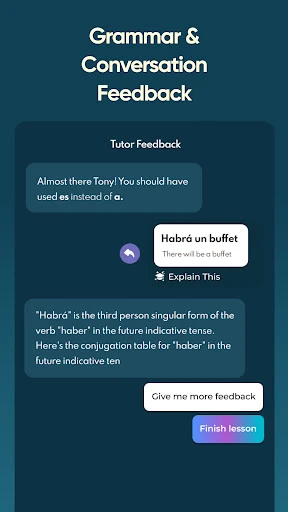
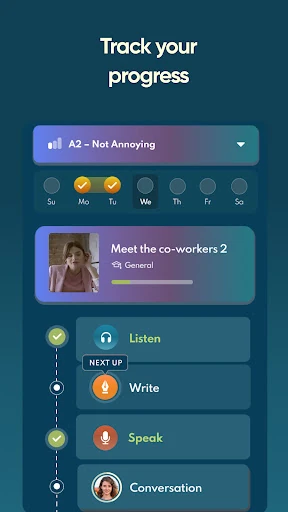
Analysis by Reviewed APKs
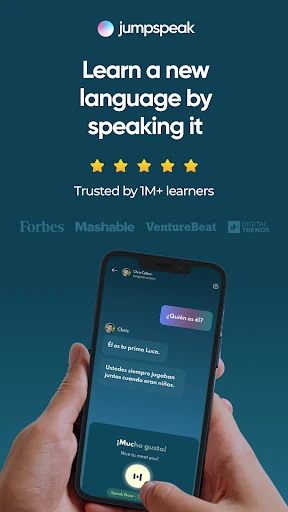
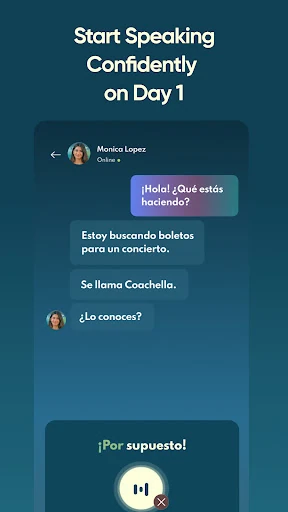
Jumpspeak | Language Learning is an iOS app built around practicing spoken language through short, everyday conversations. It suits learners who want to rehearse what to say at a restaurant, while traveling, or in a social situation rather than spend all their study time on written exercises. My overall take is that its speaking-first approach gives practice a clear purpose, especially for people who feel hesitant about talking aloud.
Practice for a real outing
I can picture using Jumpspeak before a trip, when I have a few minutes between packing and checking a train time. Instead of trying to memorize a long vocabulary list, I could work through a short conversation about ordering food or talking with a host. The app describes lessons built around practical situations, and its three-minute conversation format sounds manageable when a full study session feels unrealistic.
That kind of rehearsal is useful because it gives a learner a reason to say a phrase, not just recognize it on a screen. Jumpspeak is designed to get people speaking from the first day, with listening and speaking at the center. I like the idea of practicing a small exchange before needing it in the world. It may not make a traveler fluent overnight, but it can make the first attempt feel less unfamiliar.
A speaking-first alternative
Jumpspeak makes most sense alongside familiar language-learning options, not necessarily as a replacement for every kind of study. The app emphasizes conversations, speech recognition, and feedback on grammar and vocabulary. That gives it a different focus from exercises centered mainly on typing or other written practice. If your weak spot is speaking out loud, that emphasis is appealing; if you enjoy quiet drills and written work, this may feel less central to your routine.
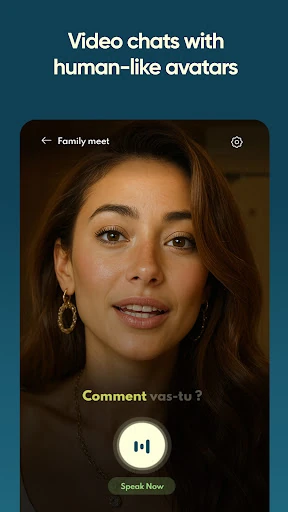
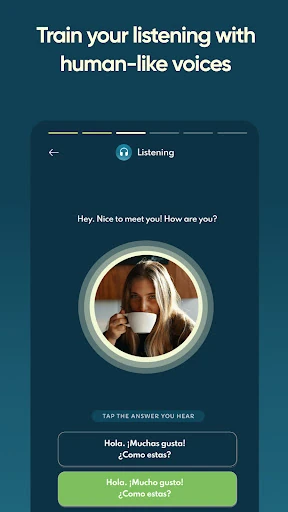
I would treat it as a practice space for conversation rather than a complete answer to every learning need. Its scenarios cover situations such as travel, ordering, dating, and small talk, so the material aims at usable exchanges. The description also mentions listening practice with natural-sounding human voices. It is not presented as a substitute for a live conversation partner or a full course with a teacher, and I would keep those expectations in check.
Make short practice count
The bite-sized format suggests a simple habit: choose one small window in the day and use it for a conversation instead of waiting for a free hour. A three-minute lesson could fit into a lunch break or a quiet moment before heading out. I would stick with one situation long enough to get comfortable with its words, then return to a different scenario when that exchange starts feeling familiar.
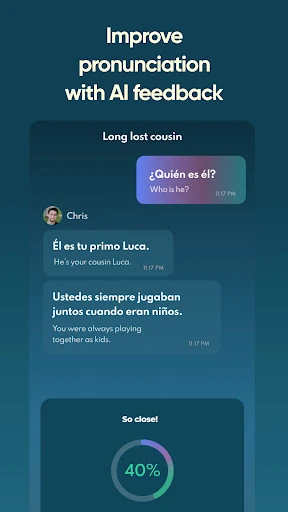
It may also help to use the feedback as a cue for what to revisit. Jumpspeak describes feedback on pronunciation, grammar, and vocabulary, along with speech recognition and listening practice. I would focus on one thing at a time rather than trying to fix every sentence at once. Short, low-pressure practice is the point here: a manageable routine is more likely to survive a busy week than an elaborate study plan.
More From Our News Desk

Zoom Meetings, Google Meet, or Teams: Which Is Easiest to Join?

How I Build a Free Streaming Lineup With Tubi

Why Crunchyroll Is the Default Anime App for So Many Fans

YouTube TV: A Practical Guide to Cutting Cable

Rummikub and the Small Comfort of Phone Games
TeamViewer Remote Control or AnyDesk for Helping Family?
Who may enjoy Jumpspeak
I would recommend Jumpspeak to learners who know some words already but want more practice putting them into spoken exchanges. It may also suit someone preparing for travel, or anyone who finds speaking the most intimidating part of learning. The real-world scenarios give practice a concrete setting, and the short conversations offer a low-commitment way to start. It supports a broad range of languages, which is useful for people with interests beyond the most commonly studied options.
It may be a weaker fit for someone who prefers a textbook-style path, long grammar explanations, or primarily written exercises. The description highlights conversation practice and AI feedback, rather than presenting the app as a comprehensive classroom course. I would also suggest checking the current subscription details before making a longer-term commitment. A free lesson gives a way to try the format, but whether the ongoing approach suits you is best judged by actually speaking through a sample.
Jumpspeak | Language Learning is an Education app from Rype, Inc. It is available on the Apple App Store for iOS, and requires iOS 16.0 or later. The app is free to download and offers a free language lesson. Its App Store rating is 4.6 out of 5, based on 16,572 ratings. The content rating is 12+.
The current version is 5.5.14. The app was released on January 10, 2021, and its most recent update is dated November 5, 2026. The supplied store details do not give an install count or specify in-app purchase prices or advertising, so I would check the App Store page for current subscription options and any applicable costs.
A closer look at speaking practice
Getting started
When I first opened the idea of Jumpspeak, what stood out was the clear emphasis on speaking rather than a broad collection of unrelated study tasks. Its pitch is easy to understand: learn through conversations that resemble things people might actually say. That makes the app feel aimed at a practical problem—getting words out in the moment—rather than simply collecting vocabulary.
The app offers lessons across many languages, including Spanish, French, Italian, German, English, Korean, Japanese, and Mandarin. The description also names Portuguese, Russian, Dutch, Vietnamese, Swedish, Polish, Danish, Norwegian, Hungarian, and Turkish. I would start by choosing the language I actually plan to use, then try the free lesson to see whether the conversation format feels comfortable.
The daily rhythm
Day to day, the main appeal is having a short conversation ready when I have a spare few minutes. Jumpspeak describes lessons lasting about three minutes, which is a sensible size for a quick practice session. Rather than needing to settle in for a long lesson, a learner can use a brief pause to listen and respond. That can make speaking practice easier to maintain around work, errands, or travel plans.
The app also frames practice as something learners can do without feeling judged. That matters for anyone who is self-conscious about pronunciation or making mistakes in front of another person. I like that the stated approach pairs speaking with feedback, so practice is not just repeating lines without any guidance. The real value will depend on how useful that feedback feels to a particular learner, but the format is aimed at making regular attempts less daunting.
Useful conversation tools
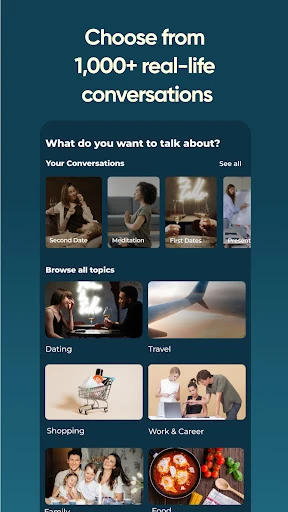
Jumpspeak’s standout feature is its focus on real-life conversation scenarios. Examples include ordering at a restaurant, making small talk at a party, speaking with a rental host, or chatting with a driver. Those situations give learners a practical frame for the language, and they are easier to imagine using than an isolated sentence about an unrelated topic.
The app says its AI language tutor provides feedback on grammar, vocabulary, and conversation, while speech recognition offers real-time pronunciation feedback. It also includes listening practice using natural-sounding human voices. Taken together, those features make the experience sound like a loop: hear language, try speaking, and use feedback to guide another attempt. I would be most interested in that loop for phrases I expect to need soon.
A routine before travel
If I were preparing for a trip, I would pick a small set of situations that might come up: ordering a meal, greeting a host, and making basic small talk. I would use a short lesson during the day, then return to the same kind of exchange when I had another few minutes. Repetition with a practical purpose seems more useful than rushing through a broad range of topics just to say I studied.
I would also make listening part of the routine rather than treating speech practice as the only goal. Hearing a natural-sounding voice can help connect the written or spoken phrase with its sound, and the app specifically describes listening practice. After a session, I would note which words or pronunciations felt difficult and pay attention to them in the next conversation. That keeps the routine focused without turning a few minutes into homework.
Keep expectations grounded
The main limitation is that an app built around short, prepared conversations cannot cover every spontaneous exchange. Real people speak in unexpected ways, and a practiced restaurant dialogue will not guarantee that every real restaurant interaction goes smoothly. I see Jumpspeak as a way to build confidence and rehearse useful language, not as proof of fluency or a replacement for speaking with people.
Its conversation-first emphasis may also leave some learners wanting more written practice or a more formal course structure. The description highlights many lessons and several kinds of feedback, but the right balance depends on how you prefer to learn. And while the app is free to download with a free lesson, ongoing subscription costs should be checked in the App Store before committing. That is a practical step, not a reason to dismiss the format.
Jumpspeak has a focused idea: make language practice feel more like a conversation and less like an abstract exercise. Its short lessons, everyday scenarios, and speech-related feedback should appeal to learners who want to get more comfortable speaking. I appreciate that the format is easy to imagine fitting into an ordinary day, rather than requiring a dedicated block of study.
I would try it if speaking is the part of language learning I tend to avoid, especially when preparing for travel or social situations. Learners looking for a full classroom-style course may want to pair it with other methods. Start with the free lesson, see whether the feedback and conversation style work for you, and check the current subscription terms before paying.
Jumpspeak Frequently Asked Questions
What is Jumpspeak | Language Learning used for?
Jumpspeak is for practicing languages through spoken, everyday conversations. It describes short lessons based on situations such as ordering food, traveling, and making small talk, along with listening practice and feedback on pronunciation, grammar, and vocabulary. It supports many languages, including Spanish, French, English, Korean, and Japanese.
Which devices can run Jumpspeak | Language Learning?
Jumpspeak is available for iOS through the Apple App Store and requires iOS 16.0 or later. Check the App Store page for current compatibility details for a particular device, since device support and store information may vary over time.
What iOS version does Jumpspeak | Language Learning require?
Jumpspeak requires iOS 16.0 or later. The app is available on the Apple App Store. If you are unsure whether your device can run it, check the current compatibility information on its App Store page.
Does Jumpspeak | Language Learning cost money?
The app is free to download and offers a free language lesson. Subscription options and prices can vary, so check the Apple App Store page for the current terms before purchasing. The app description explains that subscriptions renew automatically unless auto-renewal is turned off in account settings.
Who is Jumpspeak | Language Learning best for?
It may suit learners who want low-pressure speaking practice, particularly for practical situations such as travel, ordering, and social conversation. Its short lessons and speech feedback are centered on spoken language. People who mainly want written exercises or a formal classroom-style course may prefer to use it alongside another learning method.
Pros
- Short conversation lessons are designed to fit into small breaks in an ordinary day.
- Everyday scenarios make speaking practice feel connected to situations learners may encounter.
- The app describes feedback on pronunciation, grammar, and vocabulary.
- A broad selection of languages offers options beyond the most commonly studied choices.
Cons
- Prepared conversations cannot cover every unpredictable exchange with a real speaker.
- The speaking-first approach may not satisfy learners who prefer extensive written exercises.
- Current subscription pricing should be checked in the App Store before committing.
- Category
- Education
- Version
- 5.5.14