DistroKid
- 26.49K
- 4.7
- Installs
- 1.00M
- Price
- Free

Screenshots
Analysis by Reviewed APKs
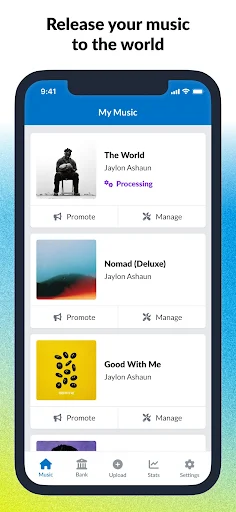
DistroKid is a music distribution and account-management app for independent artists who want to send releases to streaming services and keep an eye on them from a phone. I see it as a practical companion to the broader distribution service, not a substitute for making music or building an audience. Its mix of uploads, release edits, statistics, and earnings access makes it useful between recording sessions and release days.
A release-day companion
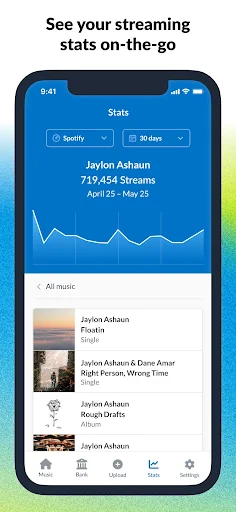
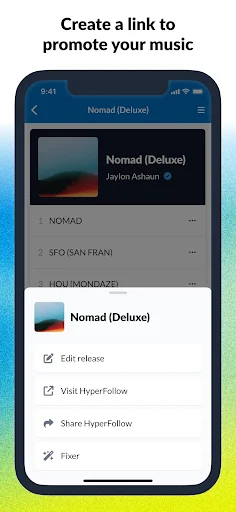
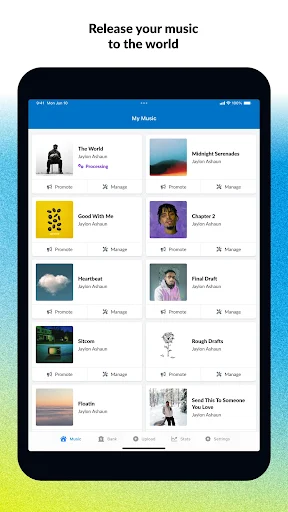
When I imagine using DistroKid during a busy release week, the appeal is having the essentials close at hand. I can use the app to upload music, check a release, and make edits without being tied to a computer. Once a track is out in the world, I can also look at streaming statistics and access artist accounts. That makes the app feel relevant both before release and during the quieter weeks afterward.
The workflow suits an independent artist juggling creative work with practical release tasks. A push notification about earnings to claim gives me a reason to open the app, while a quick look at stats can answer whether I want to dig deeper later. DistroKid describes distribution to more than 150 streaming platforms, including Spotify, Apple Music, TikTok, and YouTube Music. The app brings several related jobs into one mobile place.
Distribution, not a studio
DistroKid occupies a different part of an artist’s toolkit from recording, editing, or music-making apps. Its job is to help distribute music and manage releases, rather than create tracks or provide a full production workspace. Compared with checking each platform separately, the appeal is a single route for uploads and access to artist accounts, along with release details and streaming statistics.
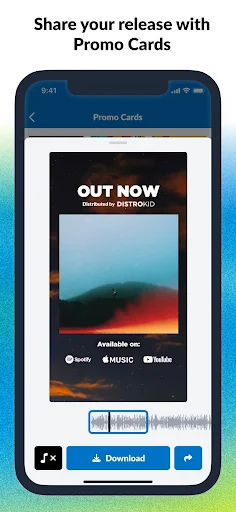
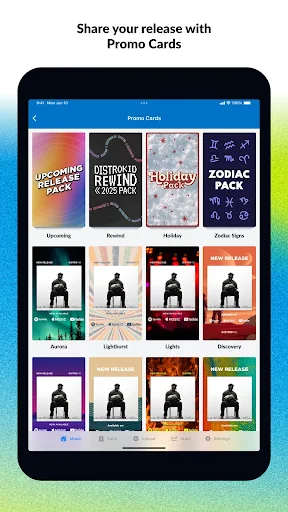
I would look at it as a companion to the distribution service, not as a social network or a promise of listeners. Promo Cards can help share a release on social channels, but the app’s focus remains getting music out and keeping track of it. Artists who only want to listen to music, or who need tools for composing and mixing, will likely want a different kind of app.
Small habits that help
A simple habit is to check the app when I have a specific release task, rather than opening it without a reason. I might review a release after an edit, check streaming statistics during a weekly admin session, or look for an earnings notification when one arrives. That keeps the app connected to useful actions instead of turning every check-in into another distraction from writing or recording.
I’d also keep release sharing and account checks as separate steps in my routine. When I want to promote a track, Promo Cards offer a shareable option; when I want to understand how it is doing, the stats provide a different view. Access to official artist accounts is handy when I need to move between distribution and artist-facing information. These small, task-based checks make the app easier to use with purpose.
More From Our News Desk

Zoom Meetings, Google Meet, or Teams: Which Is Easiest to Join?

How I Build a Free Streaming Lineup With Tubi

Why Crunchyroll Is the Default Anime App for So Many Fans
YouTube TV: A Practical Guide to Cutting Cable
Rummikub and the Small Comfort of Phone Games
TeamViewer Remote Control or AnyDesk for Helping Family?
Who may find it useful
I’d recommend DistroKid to independent artists who already use its distribution service, especially those who release music regularly and want mobile access to uploads, release edits, artist accounts, and streaming statistics. It can also suit someone who handles their own release administration and wants earnings notifications in the same app. The combination is most useful when distribution tasks are part of an ongoing routine, rather than a once-in-a-lifetime project.
It may be a poor fit for listeners looking for a streaming player, or for musicians who need a digital audio workstation, recording tools, or detailed promotional planning. The app can help share a release and check its performance, but those features are not the same as creating an audience or managing every part of a music career. Artists should also consider the service’s pricing structure before signing up.
DistroKid is developed by DistroKid and is listed on Google Play in the Music & Audio category. The app has over 1 million installs and a 4.7-star rating from around 26,000 ratings. Its content rating is Everyone. The app is free to download, with in-app purchases ranging from $24.99 to $269.99 per item, and it does not contain ads.
The current listed version is 3.9.1. DistroKid first appeared on October 20, 2023, and its most recent update is dated November 3, 2026. The Android version requirement is not included among the available app details, so users should check the Google Play page for compatibility with their device before installing.
The practical side of releasing music
Getting oriented
When I first open DistroKid, the central idea is straightforward: log in with an existing account or sign up, then use the app to manage music distribution. That gives the experience a clear audience from the outset. It is aimed at artists who want to work with DistroKid, rather than anyone casually browsing music or looking for a general-purpose audio player.
I like that the app’s stated tasks are easy to understand before I get into a routine: upload music, access artist accounts, check stats, and edit releases. Those are useful jobs to have on a phone, where I may want to take care of a quick admin task between other commitments. The actual experience depends on having an account and music-related work to manage.
Everyday account checks
The day-to-day appeal is less about spending a long stretch in the app and more about checking in when something needs attention. I can picture opening it to review streaming statistics, look over a release, or use an artist-account link. Those short visits fit naturally into the uneven pace of independent music work, where a release may need occasional attention but not constant monitoring.
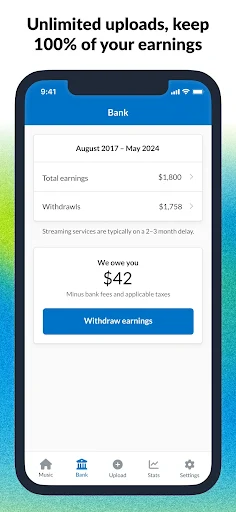
Earnings notifications add another reason to return. The app says it can notify users when earnings are ready to claim and supports withdrawing them. I would treat that as a convenient account task, not as a prediction of how much a song will earn. Keeping the expectation practical helps: DistroKid supports release administration, while an artist’s results depend on their music and audience.
Useful release tools
Unlimited uploads are a central part of DistroKid’s pitch, and the app description says artists can upload songs from the phone. That can be appealing for someone with a steady release schedule or a backlog of finished tracks. DistroKid also says artists keep 100% of their earnings, a detail that will matter to anyone comparing distribution services and should be considered alongside the account’s costs.
I also appreciate the practical mix of release editing and access to artist accounts. Rather than treating a release as finished business the moment it goes live, the app gives users ways to revisit release details and check related accounts. Promo Cards add a shareable element for social media, while streaming statistics give a view of how releases are performing.
DistroKid names Spotify, Apple Music, TikTok, and YouTube Music among the services it supports, alongside more than 150 platforms overall. That breadth is useful context for artists who want their work distributed across multiple destinations. I’d still think of the app as a management tool: the platform names explain where distribution can go, not what kind of audience a particular release will find.
A weekly release routine
For a manageable routine, I would reserve one short session each week for music administration. I could use it to check current releases, review streaming statistics, and make any needed edits. If I have something new to share, I could create a Promo Card as a separate task. That gives each visit a clear purpose and keeps distribution chores from taking over a writing or recording session.
I’d respond to earnings notifications when they arrive, rather than repeatedly checking for updates without a reason. Similarly, a quick stats check can tell me when I want to spend more time reviewing a release, but it does not need to dictate the creative schedule. The app works best in this routine as a practical checkpoint between making music and sharing it.
Keep expectations grounded
The biggest limitation is the app’s narrow focus. It handles distribution-related tasks and account access, but it is not a tool for composing, recording, or mixing. Its usefulness also depends on whether an artist has DistroKid account activity to manage. If I only need a one-off way to promote music or check a platform’s stats, the wider service may be more than I need.
Pricing deserves a close look, too. The app is free to download, but it offers in-app purchases, and the listed item prices span a broad range. Artists should compare the option that fits their plans rather than assuming the download alone covers every service. As with any distribution workflow, I would also keep expectations realistic about what uploading and tracking tools can do for a release’s reach.
DistroKid makes the most sense as a mobile control point for artists who already want its distribution service. Uploads, release edits, artist-account access, Promo Cards, statistics, and earnings notifications cover a useful set of practical tasks without pretending to be a creative studio.
I’d suggest it to independent musicians who regularly release music and value being able to handle some administration on the go. If you need production tools, a listening app, or a complete marketing plan, this is not that. For release management, though, it offers a focused and understandable mobile companion.
DistroKid Frequently Asked Questions
What is the DistroKid app used for?
DistroKid is used by artists to distribute music to streaming platforms and manage related tasks. Its app supports uploads, release edits, access to artist accounts, streaming statistics, Promo Cards for sharing releases, and earnings notifications with a way to withdraw earnings. It is a companion for music distribution, not a music player or a recording and mixing tool.
Which devices can run DistroKid?
DistroKid is available on Android through Google Play. The Android version requirement can vary with app updates and device compatibility, so check the Google Play page for the current requirement before installing. The available details describe the Android app; they do not establish availability on other platforms.
Does DistroKid cost money?
The Android app is free to download and includes in-app purchases. Listed in-app item prices range from $24.99 to $269.99. Check the Google Play page for the current purchase options and details, since the appropriate option depends on what you want to use. The app itself does not contain ads.
Does DistroKid promise earnings from my music?
DistroKid describes tools for viewing streaming statistics and receiving notifications when earnings are ready to claim, with withdrawals available through the app. It also says artists keep 100% of their earnings. These account features do not say what a particular release will earn; results depend on listening and other factors beyond the app.
Who is DistroKid best suited for?
DistroKid is best suited to independent artists who use the service to distribute music and want mobile access to release management and related account tools. It may not suit listeners, or musicians looking for recording, composing, or mixing software. Anyone considering it should review the in-app purchase choices and make sure the distribution workflow fits their needs.
Pros
- Combines uploads, release edits, statistics, and artist-account access in one mobile app.
- Supports Promo Cards for sharing releases on social media.
- Push notifications can flag earnings ready to claim.
- Free download with no ads.
Cons
- Focused on distribution tasks rather than recording, composing, or mixing.
- In-app purchase prices span a wide range, so costs deserve a careful look.
- Most useful to artists who already need DistroKid distribution tools.
- Category
- Music & Audio
- Version
- 3.9.1