StockX - Sneakers and Apparel
- 84.76K
- 4.4
- Installs
- 10.00M
- Price
- Free

Screenshots


Analysis by Reviewed APKs
StockX - Sneakers and Apparel is a resale marketplace for people who want to browse, buy, or sell sought-after sneakers, clothing, accessories, collectibles, and other products. I like that its bid-and-ask setup makes prices part of the shopping experience rather than an afterthought. It suits collectors and trend-watchers who enjoy comparing offers; casual shoppers may find its market-style approach more involved than ordinary online retail.
A release-day browsing routine
When I first opened StockX, I imagined using it after spotting a pair of sneakers I wanted but not finding my size at a familiar retailer. I could look up the product, review its sales information, and compare asking prices instead of relying on one fixed price. If I were willing to wait for a particular amount, I could place a bid and let the marketplace handle the matching.
That makes sense for a planned purchase: I can check a shoe or clothing item during a lunch break, compare the market, and decide whether to bid or buy at an available ask. StockX describes purchases as either verified by StockX or shipped directly from a StockX Verified Seller, and says purchases are backed by its Buyer Promise. Those details are reassuring context, though I would still read the purchase terms before committing.
A marketplace, not a closet
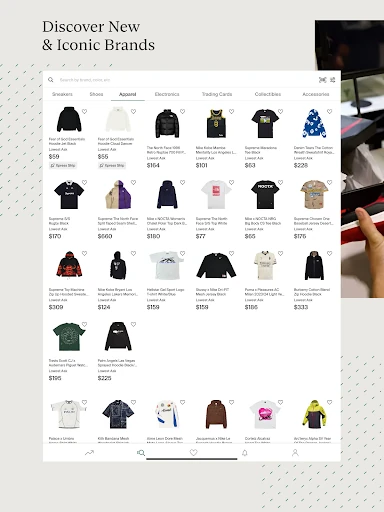
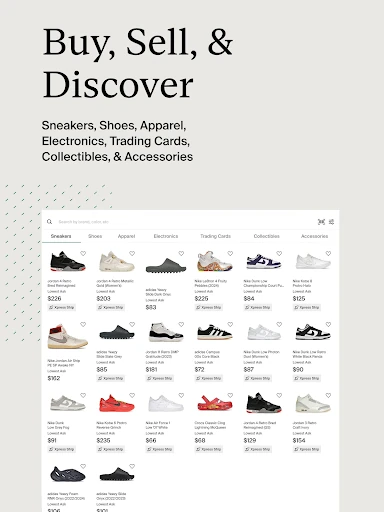
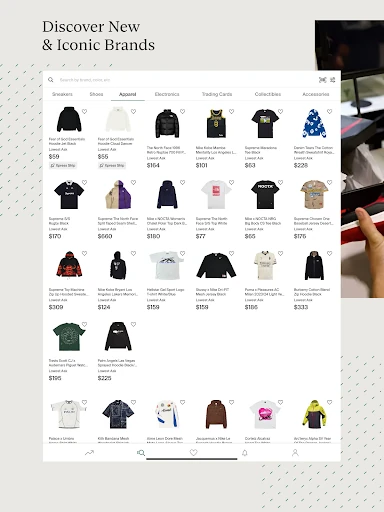
StockX is more than a catalog of sneakers. Its marketplace covers apparel, accessories, electronics, collectibles, and luxury products, with brands ranging from Nike and adidas to Supreme and Louis Vuitton. The defining difference is its bid-and-ask model: buyers set bids, sellers set asks, and a transaction goes through when the two prices meet. Product pages also include sales information to help put prices in context.
I would choose a conventional retailer when I want a straightforward checkout at a displayed price, or when I am shopping for routine household needs. StockX is built around branded and sought-after goods, resale pricing, and the possibility of making an offer. It is not a general-purpose shopping app or a social place to message sellers and negotiate; the marketplace structure does much of that work.
Small habits that help
I would make a habit of checking the sales information before placing a bid. A single asking price does not tell the whole story, and StockX presents market data on product pages for a reason. Comparing the information there with the amount I am prepared to spend can make an offer feel more deliberate than tapping the first appealing option.
For selling, I would decide on an asking price after looking at the available sales information, then keep the item and its product details straight while setting the ask. On the buying side, it helps to know whether I am comfortable waiting for a bid to meet a seller’s ask or would rather act on an available price. That simple distinction keeps browsing from turning into aimless price-checking.
More From Our News Desk

Zoom Meetings, Google Meet, or Teams: Which Is Easiest to Join?

How I Build a Free Streaming Lineup With Tubi

Why Crunchyroll Is the Default Anime App for So Many Fans

YouTube TV: A Practical Guide to Cutting Cable

Rummikub and the Small Comfort of Phone Games

TeamViewer Remote Control or AnyDesk for Helping Family?
Who will get the most from it
I would recommend StockX to sneaker collectors, fashion shoppers, and people who already follow particular brands or releases. The range extends beyond shoes to clothing, accessories, collectibles, electronics, and luxury products, so it can work as a discovery app as well as a place to pursue a specific item. The ability to bid or set an ask should appeal to shoppers and sellers who want more control over the price.
It may be less appealing if you prefer a simple retail experience with one clearly displayed price and no interest in resale-market comparisons. StockX’s approach asks you to understand bids, asks, and sales information before deciding what feels reasonable. I would also suggest it for intentional browsing rather than impulse shopping: the broad catalog and pricing data make it easy to keep looking long after you came for one item.
StockX - Sneakers and Apparel is a free Android shopping app from StockX. Google Play shows more than 10 million installs and a 4.4-star rating from about 85,000 ratings. The app contains ads, and the provided store details say it does not offer in-app purchases. Its content rating is Everyone.
The listed minimum requirement is Android 10, and the current version in the provided details is 4.74.1. StockX was released on April 13, 2016, and was last updated on February 3, 2026. The latest update notes performance improvements and bug fixes.
How StockX Turns Shopping Into a Market
A focused first look
My first impression is that StockX has a clear identity: it is a marketplace for products people actively seek out, not a digital department store trying to cover every possible errand. The catalog spans shoes and apparel along with accessories, electronics, collectibles, and luxury goods. That variety gives browsing room to wander, while the name and product focus still make it easy to understand the app’s main purpose.
Getting oriented means understanding the two sides of the transaction. Buyers place bids; sellers set asks. When those prices meet, the order goes through. I appreciate that the basic idea is easy to explain, even if it feels different from adding a fixed-price item to a normal shopping cart. Before using it, I would take a little time to learn how product pages present their sales information.
The everyday shopping loop
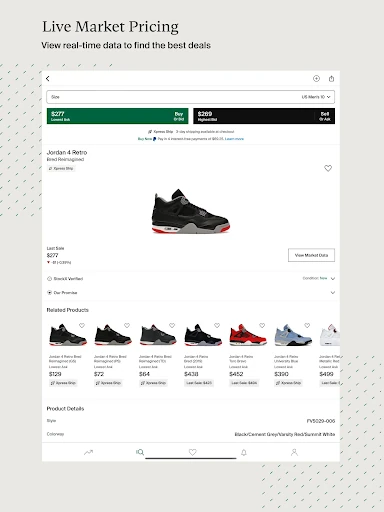
The most natural day-to-day use is to search for a product already on my mind, then examine its available pricing and sales information. That can be useful when a release is hard to find through ordinary retail channels or when I want to compare prices before deciding. StockX puts market data alongside the shopping experience, so checking value is part of the process rather than a separate research chore.
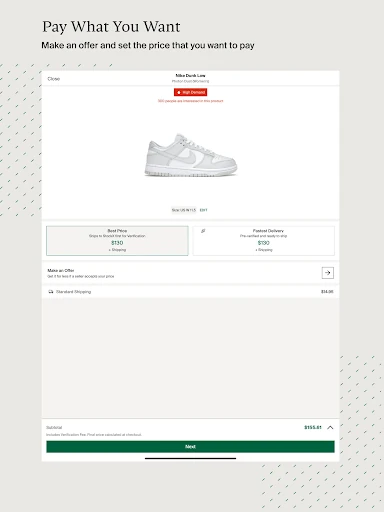
The bid option changes the rhythm. Instead of treating the first price I see as final, I can set an offer and wait for a seller’s ask to meet it. Sellers can set their own asks, too. That flexibility is appealing, but it also means a purchase may depend on whether the two sides align. For someone who wants instant certainty, that extra decision-making can feel like friction.
Useful marketplace details
The standout feature is Live Market Pricing, which StockX says provides real-time market data. Product pages include sales information, and buyers can compare asks while deciding what to offer. For a collector trying to judge whether a sought-after pair is priced sensibly, having that information close to the product is more useful than browsing a bare image gallery.
The app supports both buying and selling. A seller can set an ask for a listed product, while buyers can make an offer at the price they want to pay. StockX also describes a verification process: purchased items are either verified by StockX or shipped directly from a StockX Verified Seller, and purchases are backed by its Buyer Promise. Those are meaningful parts of the marketplace model, not a substitute for reading transaction details.
A more deliberate routine
A practical routine might start with a shortlist: a particular sneaker, jacket, or collectible I genuinely want. I would check its product page, review the sales information, and compare asks before deciding whether to place a bid. That keeps the app useful for a real shopping decision instead of turning every interesting listing into an excuse to spend.
If I were selling, I would use the same habit from the other direction. I would review the available sales information and set an ask that reflects what I am hoping to receive. StockX presents itself as a way to avoid the back-and-forth coordination associated with selling directly. That structure should appeal to people who prefer setting a price in a marketplace over arranging a one-to-one sale.
Limits to keep in mind
The biggest adjustment is the market-style pricing. Bids and asks are useful tools, but they require more thought than a standard fixed-price checkout. If I just want to replace everyday shoes quickly, I may not want to compare market information or wait for an offer to match. StockX feels best when the product itself is specific enough to justify that extra attention.
Its wide selection can also make browsing sprawling. Sneakers and apparel are central, but the catalog reaches into electronics, collectibles, accessories, and luxury goods, so I would arrive with a goal if I wanted a quick session. The app also contains ads according to its store details. Beyond that practical note, I would take time to review the current transaction information for any purchase or sale.
StockX makes the most sense when I want a particular branded item and care about how its resale price compares with other offers. Its bid-and-ask structure, sales information, and buying and selling options give it a distinct purpose beyond ordinary retail browsing. The trade-off is a more involved process that rewards patience and a little price research.
I would try it for sneakers, streetwear, collectibles, or other sought-after products, especially if I enjoy comparing offers or setting my own price. If I want a quick, uncomplicated purchase at a fixed price, I would probably shop elsewhere. For collectors and deliberate shoppers, StockX offers a focused marketplace with useful context around the items.
StockX Frequently Asked Questions
What is StockX - Sneakers and Apparel used for?
StockX is a marketplace for buying and selling sneakers, apparel, accessories, collectibles, electronics, and other products. Buyers can place bids, sellers can set asks, and product pages include sales information. It is designed for shopping around sought-after branded goods, rather than general errands or a standard fixed-price-only retail experience.
Which devices can run StockX - Sneakers and Apparel?
The provided platform information is for Android, with Android 10 as the stated minimum requirement. The app is available through Google Play. Device compatibility can depend on the device and current store requirements, so it is worth checking the Google Play page for the latest details before installing.
Does StockX - Sneakers and Apparel cost money?
The app is free to download, and the provided details say it does not offer in-app purchases. It contains ads. Buying or selling products through the marketplace is separate from the app download, and transaction costs or other terms may vary; check the current Google Play and StockX information before proceeding.
What Android version does StockX - Sneakers and Apparel need?
The listed minimum is Android 10. The current version in the provided app details is 4.74.1, with the latest update dated February 3, 2026. Requirements can change as the app is updated, so check Google Play for the current compatibility information for your device.
Is StockX - Sneakers and Apparel right for casual shoppers?
It can suit casual shoppers who have a specific sneaker, clothing item, or collectible in mind and are willing to compare prices. Its bids, asks, and product sales information make it more involved than a simple fixed-price store. If you prefer a fast, straightforward retail purchase, another shopping app may feel easier.
Pros
- Combines buying and selling with bids, asks, and product sales information.
- Covers sneakers, apparel, accessories, collectibles, electronics, and luxury products.
- StockX describes a verification process and Buyer Promise for purchases.
Cons
- The bid-and-ask model takes more effort than ordinary fixed-price shopping.
- A broad catalog can make quick, focused browsing harder.
- The app contains ads, according to its Google Play details.
- Category
- Shopping
- Version
- 4.74.1