Supermarket Simulator
- 54.16K
- 3.3
- Installs
- 10.00M
- Price
- Free
Screenshots
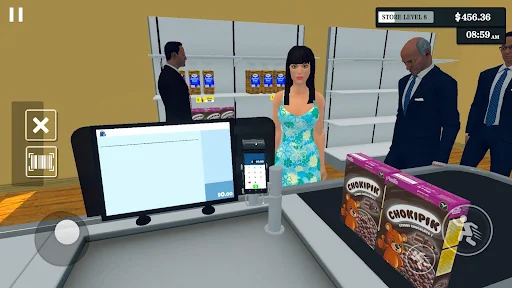
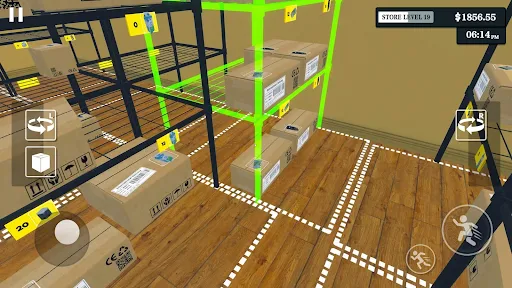
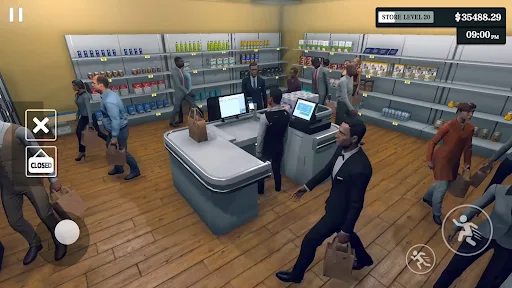
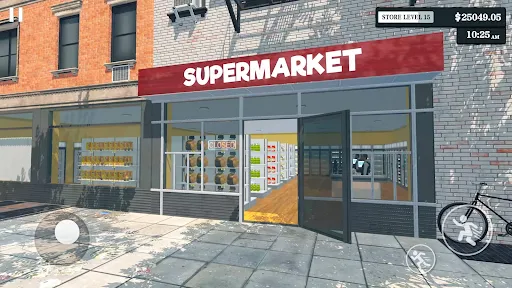
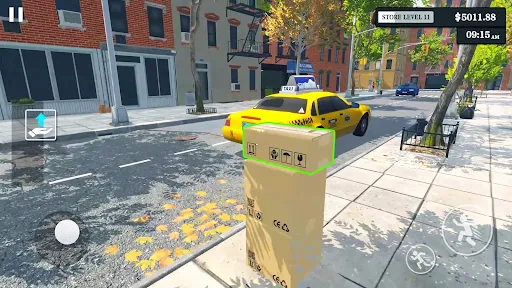
Analysis by Reviewed APKs
Supermarket Simulator is a store-management game about ordering goods, arranging shelves, setting prices, serving customers, and growing a small shop. I’d point it toward players who enjoy hands-on simulation and the satisfaction of turning a messy task list into a working routine. Its appeal is practical rather than dramatic: there’s plenty to keep track of, but the central pleasure is watching your choices shape the store.
A shift behind the counter
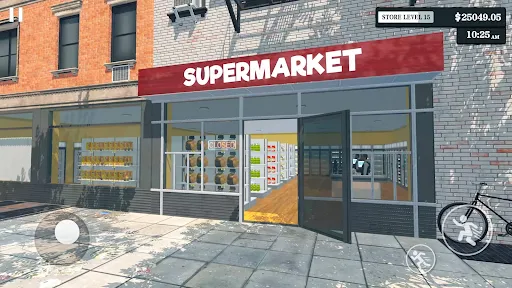
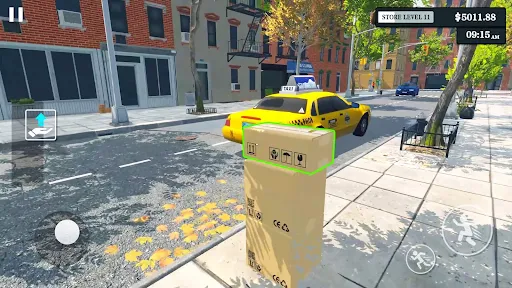
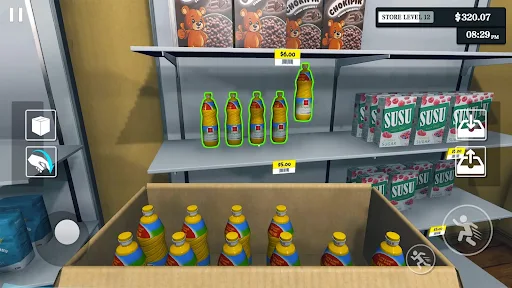
A typical session moves between planning and doing. I start by checking what the store needs, ordering products through the in-game computer, and sorting the delivered stock into storage. From there, I fill shelves, fridges, and freezers, then set prices with the market in mind. Once shoppers arrive, I can step behind the register and scan their purchases, taking cash or card payments.
That back-and-forth is the core of the game: stock the shop, keep customers moving, and turn sales into money for the next improvements. I like that the tasks are concrete. A bare shelf gives me a clear job, while the checkout provides a more active change of pace. It’s less about a single big goal than about keeping several everyday parts of the business running together.
For fans of store sims
If you enjoy simulation games where small decisions add up, this one has a pleasingly familiar rhythm. There’s inventory to manage, prices to consider, customers to serve, and a physical space to arrange. Compared with a pure building or decorating game, Supermarket Simulator asks me to think about efficiency and profit as well as appearance. The store is both a workspace to organize and a business to keep supplied.
It is not presented as a deep story game, a competitive multiplayer experience, or a collection of unrelated minigames. The description focuses on running one supermarket, from stocking and checkout to expansion. Players looking for constant surprises or a narrative may find that routine repetitive. I’d also temper expectations about future features: online orders, delivery, shoplifters, and security are described as upcoming, not current parts of the game.
Start with a simple routine
In the first hours, I’d resist trying to make the store look perfect before it can function. Get familiar with ordering stock, unpacking it, and placing products where customers can reach them. Then spend time at the register so the payment flow becomes part of the routine. A layout that is easy to restock and shop in is a useful starting point before making bigger design choices.
Pricing is worth approaching thoughtfully rather than treating every product the same. The game describes a real-time market, with purchase prices that can dip, and asks players to balance customer satisfaction against profit. I’d check costs before setting selling prices and avoid investing every available profit at once. As the store grows, reinvesting in space and interiors becomes part of the loop, so steady progress can be more useful than rushing.
More From Our News Desk

Zoom Meetings, Google Meet, or Teams: Which Is Easiest to Join?

How I Build a Free Streaming Lineup With Tubi

Why Crunchyroll Is the Default Anime App for So Many Fans

YouTube TV: A Practical Guide to Cutting Cable

Rummikub and the Small Comfort of Phone Games

TeamViewer Remote Control or AnyDesk for Helping Family?
Who will settle into the routine
I’d recommend Supermarket Simulator to players who like practical tasks, tidy organization, and gradual business growth. There’s a satisfying little checklist in ordering goods, filling the right fixtures, serving customers, and deciding what to improve next. It suits someone who wants to spend a relaxed stretch of play making a shop run better, rather than someone who needs a new objective or dramatic twist every few minutes.
Players who dislike repetition may bounce off the cycle of replenishing stock and handling checkout. The game also asks for some interest in balancing costs, prices, and customer experience; those decisions are central, not optional decoration around a separate adventure. If arranging aisles and working through a steady management routine sounds calming, the premise should land. If it sounds like another shift after work, the core loop may not change your mind.
On Google Play, Supermarket Simulator is listed as a free simulation game from KATIE LOUISE JEE. It has over 10 million installs and a 3.3-star rating from around 54,000 ratings. The content rating is Everyone. Those figures offer a quick sense of its broad reach, while the rating suggests players’ experiences are mixed rather than universally glowing.
The game contains ads and offers in-app purchases, with listed items priced at $1.99 each. Its current version is 1.2.0, and its release date is August 28, 2024; the listed last update is December 1, 2025. The Google Play information provided does not give a minimum Android version, so it’s sensible to check compatibility on the store page for the device you plan to use.
The Work Behind a Growing Store
Learning the shop floor
The basic setup is easy to understand because the jobs mirror the store itself. Products arrive through an in-game computer, move into storage, and then need to be put on shelves, in fridges, or in freezers. That gives the opening stretch a natural sequence to learn. I can see what the shop needs, take care of it, and then move into serving the customers who come to buy.
The description doesn’t detail a separate tutorial or a long onboarding sequence, so I’d treat the first session as a chance to learn the store’s practical rhythm. Try the ordering, stocking, and checkout tasks before making ambitious layout plans. The pieces are easier to reason about when I know how much attention each one takes. Starting with a straightforward arrangement also gives me room to adjust as the store expands.
Growth at your own pace
Progress is tied to making the business work well enough to reinvest. Profits can go toward expanding the store’s physical space and upgrading its interior, which gives routine sales a longer-term purpose. I like that growth connects back to decisions I can make now: what to order, what to charge, and how to arrange products. The satisfaction comes from improving a functioning shop, not simply ticking off a separate level list.
The market element adds a mild planning challenge to the steady flow of tasks. Buying when prices dip and choosing selling prices means the most profitable option may not always be the one that feels best for customers. The description frames this as a balance, rather than a puzzle with one fixed answer. That should appeal to players who enjoy adjusting a plan, though anyone hoping for a clearly specified difficulty curve may want to keep expectations measured.
More than stocking shelves
The store layout is one of the more flexible parts of the premise. Players can choose where products go and work toward a design that serves both appearance and efficiency. I appreciate that these goals can overlap: a neat store can also be easier to keep stocked and easier for customers to navigate. It gives the management loop a visual side without making decoration the only thing that matters.
The other standout is the combination of supply, sales, and customer service. I can order stock, manage storage, fill fixtures, and then scan purchases and accept cash or card. The description also points to a free market where prices move in real time. Online orders and delivery, along with shoplifters and security, are named as upcoming ideas; I wouldn’t count them as available features based on that wording.
Spending and interruptions
The game is free to download, but Google Play lists both ads and in-app purchases. Individual in-app items are priced at $1.99. That’s useful to know before settling in for a long session, especially if you prefer games with no advertising or purchase prompts. The available facts don’t say exactly how ads or purchases appear during play, so I’d avoid assuming they’re tied to any particular task.
For me, the fair way to approach it is to enjoy the core management loop first and decide later whether any optional purchase is worthwhile. The store’s appeal rests on stocking, pricing, checkout, and expansion, rather than on a purchase being presented as the point of play. Ads are still a real consideration for players who find interruptions frustrating. Check the current store information if you want details about specific purchase options.
A few things to weigh
The biggest practical limit is the repetition built into the premise. Running a supermarket means returning to supplies, shelves, prices, and the register, so the game’s relaxed quality depends on enjoying those jobs. I find that kind of routine absorbing in short stretches, but it may feel like busywork to someone who wants frequent new mechanics. The listed upcoming features suggest possible additions, but they shouldn’t be treated as part of the present experience.
The provided description doesn’t say whether play works offline or requires an internet connection, and it doesn’t give a minimum Android version. I’d check the Google Play page and device compatibility before installing, particularly on an older phone. The content rating is Everyone, but that rating doesn’t tell me whether the management pace will suit a particular player. The most useful question is still whether running a store sounds enjoyable.
Supermarket Simulator has a clear, grounded appeal: order goods, organize the shop, serve customers, and use the proceeds to grow. I like the way its layout and pricing choices connect to the daily routine instead of sitting apart from it. Ads and a repetitive work cycle are worth considering, but the basic idea is easy to understand.
I’d recommend it to players who find satisfaction in steady management and incremental improvements. Those who need a story, lots of variety, or a fast-changing pace may want to look elsewhere. If stocking shelves and balancing a small business sounds like a pleasant way to spend a session, this is a reasonable game to try.
Supermarket Simulator Frequently Asked Questions
Is Supermarket Simulator free to play?
Yes. Supermarket Simulator is listed as free on Google Play. It also contains ads and offers in-app purchases, so free to download does not mean the game is ad-free or has no optional spending. Store details can change, so check the current Google Play information before installing if you want the latest terms.
Does Supermarket Simulator have in-app purchases?
Yes. Google Play lists in-app purchases, with items priced at $1.99 each. The available details don’t specify what each item does or how purchases fit into play, so check the store page for current information. The game also contains ads, which may matter if you prefer an uninterrupted experience.
Can I play Supermarket Simulator offline?
The provided game description does not say whether an internet connection is required, so I can’t promise offline play. Check Supermarket Simulator’s Google Play page for the latest connection details, especially if you plan to play while traveling or somewhere with limited service. The store description focuses on running and managing the supermarket.
What devices can run Supermarket Simulator?
Supermarket Simulator is listed on Google Play for Android, but the available information does not give a minimum Android version. Compatibility can depend on the device and current store requirements, so check the Google Play page from the phone or tablet you plan to use before downloading.
Is Supermarket Simulator suitable for children?
Google Play gives Supermarket Simulator an Everyone content rating. That rating is a useful starting point, but parents may also want to consider the listed ads and in-app purchases. Store ratings and purchase details can vary by region or change over time, so review the current Google Play information before deciding.
Pros
- Combines stocking, pricing, checkout, and expansion in one clear management loop.
- Lets players arrange products with both store efficiency and appearance in mind.
- Offers a relaxed, practical routine for fans of incremental business growth.
- Includes cash and card checkout alongside market-based pricing decisions.
Cons
- The repeated stock-and-checkout routine may feel monotonous to some players.
- Ads and $1.99 in-app items may not suit players seeking an uninterrupted experience.
- Several named additions are described as upcoming rather than current features.
- Category
- Simulation
- Version
- 1.2.0