My Supermarket Simulator 3D®
- 527.67K
- 3.8
- Installs
- 100.00M
- Price
- Free

Screenshots
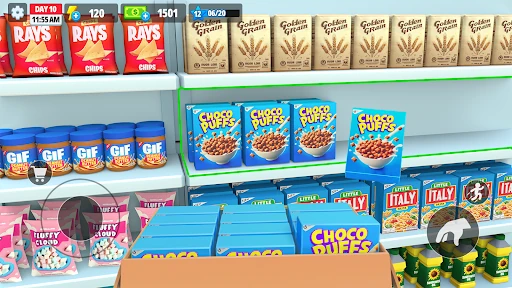
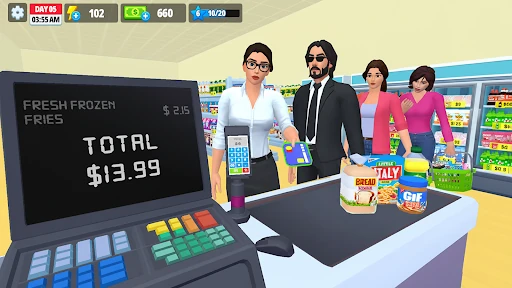
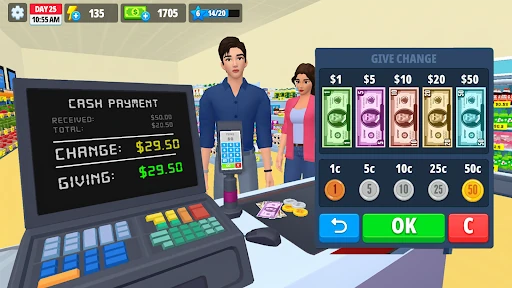
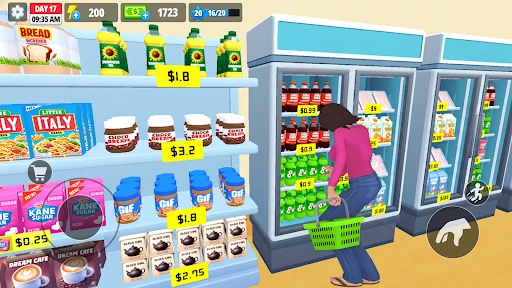
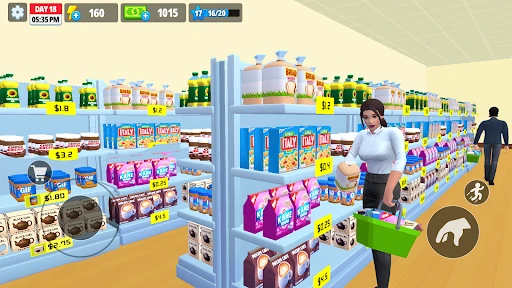
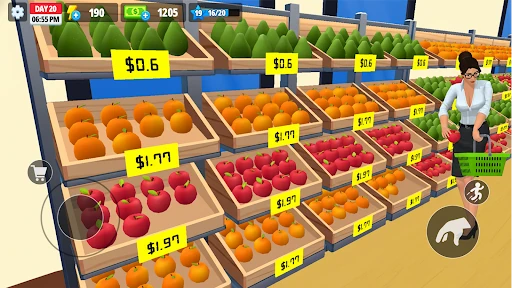
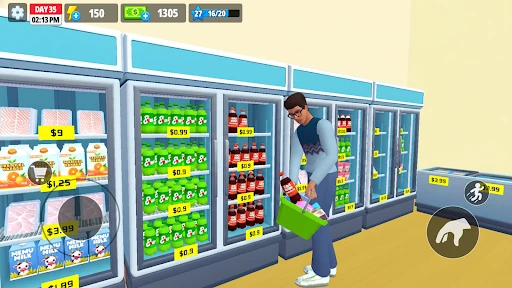
Analysis by Reviewed APKs
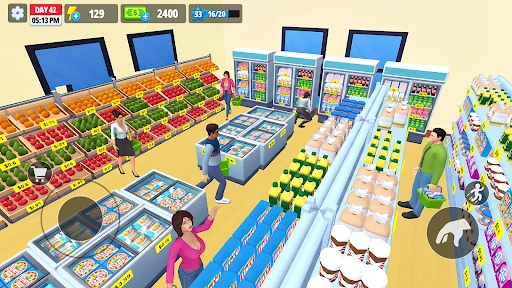
My Supermarket Simulator 3D® is a retail management game about stocking products, serving shoppers, and growing a grocery store. I’d point it toward players who enjoy gradual business-building and hands-on shopkeeping more than fast action or a tightly plotted story. Its appeal is the steady cycle of practical tasks and upgrades; my main reservation is that advertising and optional purchases sit alongside that routine.
A Day Behind the Shelves
A typical session is built around keeping the shop supplied and running. I would start by ordering products, then arrange them on shelves so shoppers can find what they came for. Checkout is another part of the work: the game describes handling both cash and card payments, with the aim of moving customers through without unnecessary waits. It gives the routine a clear shape, even when the individual tasks are familiar.
The larger loop is about turning those daily jobs into a more capable store. Prices can be adjusted, facilities upgraded, and new sections unlocked as the business grows. Staff can also be hired and trained to take on tasks. I like that the management theme reaches beyond simply placing products: there are decisions about stock, service, and capacity, though the central pleasure remains tending to a supermarket one practical step at a time.
A Shopkeeper, Not a Tycoon
Compared with more abstract business simulators, this one puts grocery-store duties front and center. You stock and organize shelves, work at checkout, and decide how the shop should look. That makes it a natural fit for players who enjoy imagining the flow of a small retail business and seeing its sections expand. The customization options add a personal touch, while pricing and staffing bring in a modest layer of planning.
It is not presented as a story-driven adventure, a competitive multiplayer game, or a pure decorating tool. The description focuses on managing a store, rather than following a cast of characters or solving elaborate puzzles. Players seeking complex financial modeling may also want more depth than the stated features promise. I’d approach it as approachable shopkeeping with progression, not as a detailed business course or a high-pressure strategy challenge.
Good Habits for Early Play
In the first hours, I’d focus on making the basic store routine reliable before chasing every possible upgrade. Keep products available, organize shelves clearly, and pay attention to how customers move through checkout. The game gives you tools to adjust prices and expand, but those choices make more sense when the shop’s ordinary work is under control. A calm, step-by-step approach suits this kind of simulator better than trying to change everything at once.
When a new section or facility becomes available, I’d treat it as a chance to widen the store deliberately rather than as a reason to rush. Staff hiring and training are part of the management loop, so it is worth exploring how those options fit with your own priorities. I’d also try the layout and decoration choices as the store grows; personalizing the space is more satisfying when the shelves and services already feel purposeful.
More From Our News Desk

Zoom Meetings, Google Meet, or Teams: Which Is Easiest to Join?

How I Build a Free Streaming Lineup With Tubi

Why Crunchyroll Is the Default Anime App for So Many Fans

YouTube TV: A Practical Guide to Cutting Cable

Rummikub and the Small Comfort of Phone Games
TeamViewer Remote Control or AnyDesk for Helping Family?
Who Will Settle In
I’d recommend My Supermarket Simulator 3D® to players who find small, repeatable management jobs relaxing. If you enjoy arranging stock, improving a shop over time, and making choices about prices or staffing, its grocery-store theme gives those familiar simulator tasks a concrete setting. It should also suit someone who likes a mix of practical work and customization, with new sections and products providing reasons to keep developing the business.
Players who need rapid action, a strong narrative, or deep competition may find the routine too measured. The core is still running a supermarket, so stocking and checkout remain central rather than occasional side activities. I’d also be cautious if frequent advertising or optional spending tends to interrupt your enjoyment; ads are present and in-app purchases are offered. For a casual store-management mood, though, the steady, incremental premise is easy to understand.
My Supermarket Simulator 3D® is a free Android simulation game from Game District LLC. Google Play shows over 100 million installs and a 3.8-star rating from around 528,000 ratings. The game is rated Everyone and requires Android 7.1 or later. Its listed release date is July 19, 2024, and the current version is 1.26.2.
The game contains ads and offers in-app purchases. Google Play lists purchase prices ranging from $0.99 to $59.99 per item. That gives players a no-cost way to start, while also putting optional spending and advertising in the same experience. The listed version and store details can change over time, so it is sensible to check Google Play for the latest information before installing.
The Work of Running a Growing Store
Learning the Store Routine
The starting premise is refreshingly easy to grasp: this is your supermarket, and its everyday operations need attention. The game centers its opening experience on common shop tasks such as stocking products and managing checkout. That gives new players a practical entry point instead of requiring them to learn a complicated business system before they can understand what the store needs.
I’d use those first sessions to get comfortable with the basic rhythm before worrying about every management option. The product description lays out several systems—pricing, expansion, staffing, and customization—but they all make more sense when viewed as parts of one store. There is a pleasingly tangible quality to the setup: shelves need goods, shoppers need service, and a growing business needs room and support.
Growth at Your Own Pace
Progress is framed as a gradual expansion from a modest grocery store toward a larger business. Unlocking sections and upgrading facilities are the main ways to increase capacity and broaden what the shop can offer. That creates a straightforward sense of direction without making the game sound like a race. I like this scale of ambition for a casual simulator: the next improvement is tied to the place you have been running.
Difficulty and pacing are less about a stated campaign challenge and more about balancing the store’s needs. Pricing, stock, checkout flow, and staffing all affect the way you manage operations, but the available description does not spell out a complex difficulty curve. I’d expect the appeal to come from refining the routine and seeing the shop develop. Players who prefer a clear finish line may find that open-ended improvement less compelling.
More Than Stocking Shelves
The feature set gives the store several layers to work on. You can organize a range of products, adjust prices, expand into new sections, and upgrade facilities. Staff can be hired and trained, while the checkout system includes cash and card payments. These are all recognizably retail-focused activities, so the game’s variety comes from managing different parts of the same business rather than switching into unrelated genres.
Customization is another useful distinction. The game describes choosing themes, colors, and decorations, which lets players shape the supermarket’s appearance as well as its operation. Product variety also grows as new goods are unlocked, giving the business more ways to serve different customer preferences. A recent update note mentions a Winter Pass with exclusive new items, suggesting seasonal content has been added, though the core remains the day-to-day store simulator.
Spending and Ad Interruptions
The game is free to install, but it contains ads and offers in-app purchases priced from $0.99 to $59.99 per item on Google Play. That range covers a broad spread of optional spending, so I’d decide how comfortable I am with purchases before settling into longer sessions. The presence of paid items does not by itself explain what each one does, and I would check the store details rather than assume a particular benefit.
For a management game built around returning to routine tasks, advertising can matter more than it would in a brief arcade round. The facts confirm that ads are included, but not where or how often they appear. I can’t call the experience generous or restrictive based on that alone. My practical advice is simply to treat the free entry point and the paid options separately, and to see whether the ad experience suits your own tolerance.
What to Keep in Mind
This is a game about operating a shop, so repetition is part of the deal. Stocking shelves, serving customers, and improving the business are not side activities; they are the central routine. If you enjoy seeing small tasks contribute to a larger store, that repetition can be calming. If you quickly tire of recurring chores, the same loop may feel like work without enough variation.
The description does not establish whether the game can be played offline or how much connectivity it needs, so I would check Google Play if that matters for commuting or travel. The stated minimum is Android 7.1, which is the practical compatibility detail available here. Device performance can vary, and the 3D presentation alone is not enough to predict how it will run on a particular phone.
There is also a balance to strike between managing operations and making the shop your own. Pricing and staff decisions provide some planning, while themes and decorations invite a more personal approach. Neither side sounds especially elaborate from the stated feature set, so I’d go in expecting a casual hybrid rather than a deep management sim. That expectation makes it easier to appreciate the game for what it sets out to do.
My Supermarket Simulator 3D® has a clear, approachable hook: look after a grocery store, improve its operations, and make it bigger and more personal over time. I like the mix of stock, checkout, staffing, and decoration, though its appeal depends on enjoying repeated management tasks. Ads and optional purchases are worth factoring into that judgment.
I’d recommend giving it a try if you want a casual retail simulator and are happy to build progress through ordinary shopkeeping. Players looking for a story, intense challenge, or a very deep tycoon system should be more cautious. The free download makes it easy to sample, but the ad-supported experience may not suit everyone.
Supermarket Simulator Frequently Asked Questions
Is My Supermarket Simulator 3D® free to play?
Yes. My Supermarket Simulator 3D® is free to download on Google Play. It also contains ads and offers optional in-app purchases, so free installation does not mean the game has no paid options. Store details can change, so check Google Play for the current information before installing.
What in-app purchases does My Supermarket Simulator 3D® have?
Google Play lists in-app purchases from $0.99 to $59.99 per item. The available information does not specify the contents of each purchase, so I would check the current store page for details. The game also contains ads, separate from its optional purchase offers.
Can I play My Supermarket Simulator 3D® offline?
The available game information does not say whether My Supermarket Simulator 3D® supports offline play or requires an internet connection. If you need it to work without data, check the current Google Play details or test it before relying on it during travel.
Which devices support My Supermarket Simulator 3D®?
My Supermarket Simulator 3D® is an Android game and requires Android 7.1 or later. Google Play lists version 1.26.2, though versions and compatibility can change. A phone meeting the minimum requirement may still perform differently depending on its hardware and software.
Is My Supermarket Simulator 3D® suitable for children?
Google Play rates My Supermarket Simulator 3D® Everyone. It is a supermarket management game focused on stocking products, serving shoppers, and expanding a store. It also contains ads and in-app purchases, so families may want to review the current store information and device purchase settings.
Pros
- A clear grocery-store loop combines stocking, checkout, pricing, and expansion.
- Staffing and product unlocks add practical management choices as the shop grows.
- Themes, colors, and decorations let players personalize the supermarket.
- Free to download, with a straightforward premise that is easy to understand.
Cons
- Repeated stocking and checkout tasks may feel monotonous to some players.
- Ads and a wide range of optional purchase prices may interrupt the casual feel.
- The described feature set may not satisfy players seeking deep tycoon complexity.
- Category
- Simulation
- Version
- 1.26.2