
Click to download now, finish the installation quickly, and directly unlock the all-round experience
Screenshots






Click to download now, finish the installation quickly, and directly unlock the all-round experience
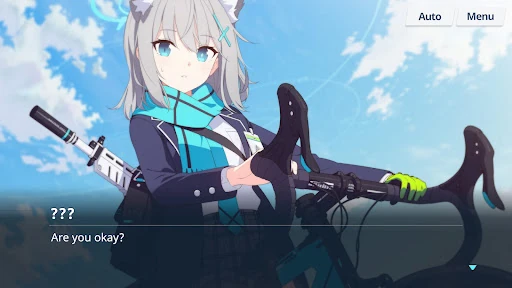
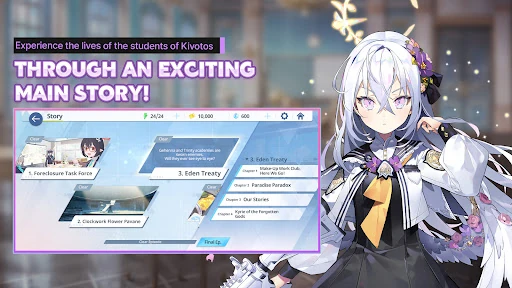
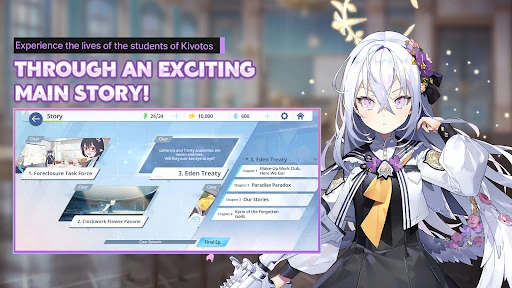
Blue Archive is a character-focused role-playing game from NEXON Company set in an academy city. You take the role of “Sensei” and build teams of students for missions, while the wider story unfolds through dialogue, character episodes and messages. It suits players who want an anime-styled RPG with a substantial story alongside its battles, rather than a game built around combat alone.
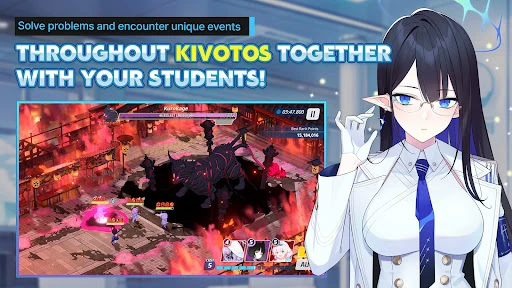
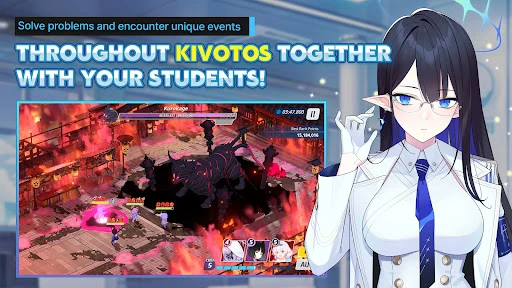
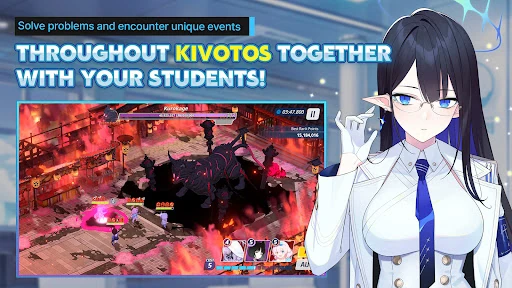
Combat centres on assembling squads with different abilities and managing their skills during encounters. Team selection matters, but so does deciding when to use each student’s abilities. Battles use a 3D chibi presentation that keeps the action readable, while special attacks add more dramatic animated sequences.
The character-collection system gives you a broad roster to work with and encourages experimentation with different team combinations. That structure will appeal to players who enjoy improving a collection over time. It may be less appealing if you prefer a role-playing game with a fixed cast or limited resource management.
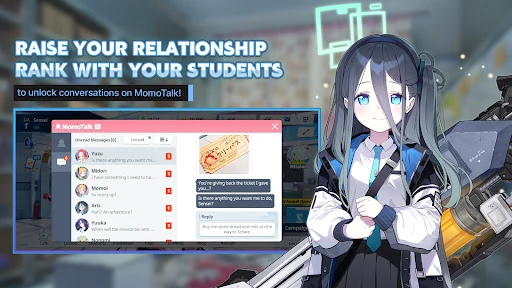
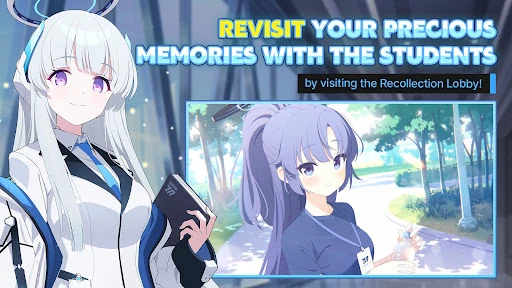
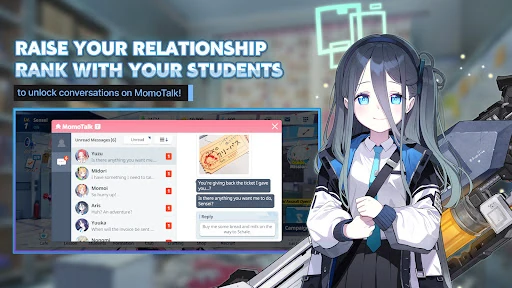
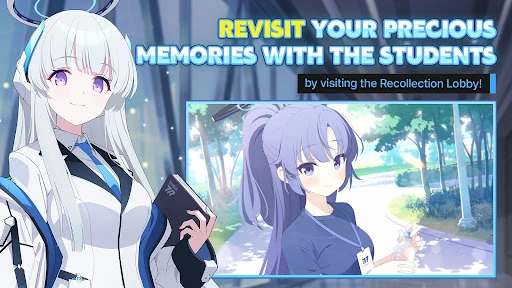
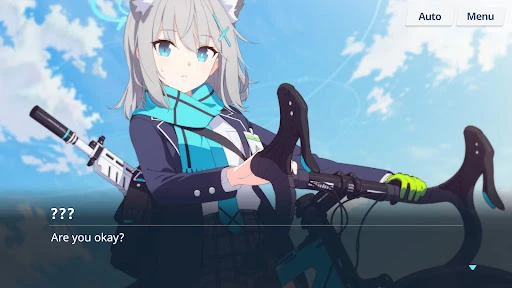
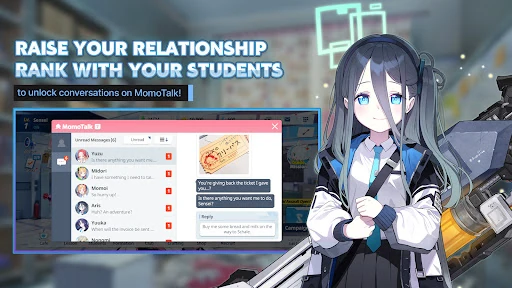
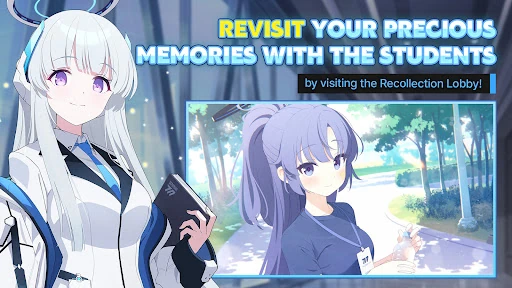
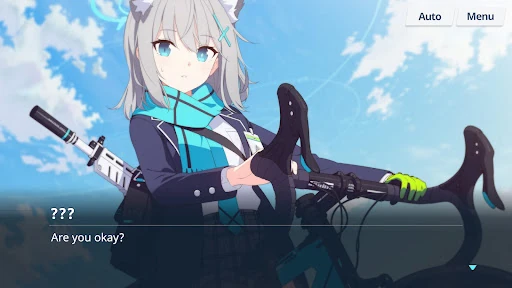
Blue Archive puts unusual emphasis on getting to know its cast. The MomoTalk messaging feature presents conversations in a chat format, and character interactions help give the students more presence outside of missions. Live2D character presentations and voice work support that focus, although the amount of dialogue and menu activity can feel like a commitment when you mainly want a short battle session.
Those figures point to an established audience, but they do not remove the main consideration: Blue Archive is best approached as a long-term character and story game. Its strongest parts are the cast, presentation and team-building, while players seeking a compact, self-contained RPG may find its collection-driven structure demanding.